When property damage strikes—whether from fire, water, or both—the aftermath can be overwhelming. Suddenly, you’re faced with unfamiliar decisions, safety concerns, and a long list of urgent priorities. Understanding the process that follows can bring peace of mind and help you regain control during a chaotic time.
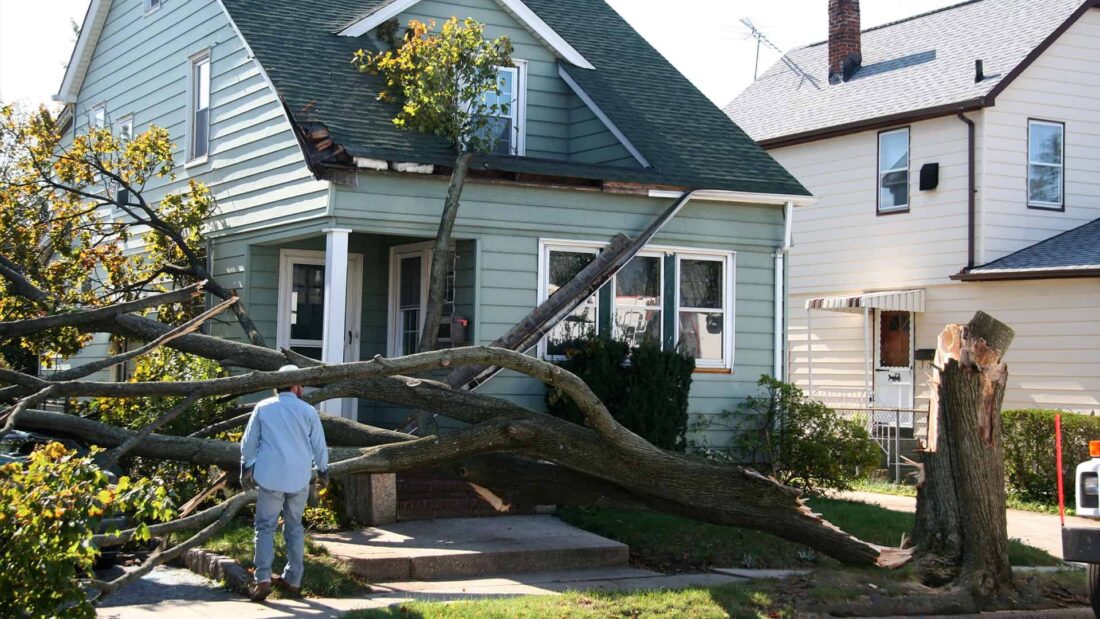
Homeowners often wonder what to do first, who to call, and how long recovery will take. Each decision in the first few days can impact the entire restoration process. That’s why having a clear plan matters.
This article offers a day-by-day breakdown of what to expect after significant property damage. From the initial safety steps to the final phase of reconstruction, you’ll get a closer look at how the recovery process typically unfolds—and where to focus your attention along the way.
Day 1: Prioritize Safety and Begin Documentation
The first 24 hours after damage occurs are critical. The top priority should always be safety. If the property is unsafe due to structural damage, fire risks, or contamination, evacuate immediately. Shut off utilities like gas, electricity, and water if instructed by authorities or your restoration provider.
Do not re-enter the building until cleared by emergency services or inspectors. Once the area is deemed safe, begin documenting the damage. Take photos, videos, and write detailed notes outlining the affected areas. This information will be essential when working with your insurance provider.
At this stage, it’s wise to contact a trusted restoration service, such as Secure Restoration. Early involvement ensures safety issues are addressed and prevents secondary damage like mold, structural shifting, or electrical hazards.
Day 2–3: Start Mitigation and Initial Cleanup
The next few days are focused on mitigation—preventing the damage from getting worse. Restoration professionals arrive on-site to contain the affected areas and begin initial cleanup.
For water damage, the steps usually include:
- Removing standing water using industrial equipment
- Extracting soaked carpets, drywall, insulation, and other absorbent materials
- Running dehumidifiers and air movers to dry the space and reduce humidity
For fire damage, mitigation involves:
- Boarding up windows and doors for security
- Removing soot, ash, and charred debris
- Assessing structural safety and documenting smoke and heat damage
This stage is about stabilization—not rebuilding. Proper containment and drying set the foundation for long-term restoration success.
Day 4–5: Detailed Inspection and Planning
Once the property is stabilized, restoration teams conduct more in-depth inspections to assess hidden damage. Moisture mapping tools and thermal imaging are used to detect water behind walls, under floors, and in ceilings.
Air quality may also be tested for signs of mold spores, smoke residue, or other airborne contaminants. Contractors then determine which materials can be salvaged and which need to be removed. This planning phase helps outline the next steps, such as demolition areas and rebuild plans.
You’ll also be in closer communication with your insurance provider at this point. Submit all photo and video documentation and work with your adjuster to review the claim. Companies like Secure Restoration often assist homeowners by coordinating directly with insurers, which helps avoid delays caused by paperwork issues.
Day 6–7: Demolition and Sanitization Begin
With a clear restoration plan in place, crews begin controlled demolition of unsalvageable materials. This is necessary for both safety and future rebuilding.
In water damage scenarios, this could mean:
- Cutting out waterlogged drywall
- Removing flooring and underlayment
- Replacing damp insulation or structural wood
In fire cases, it may involve removing:
- Charred framing or beams
- Smoke-damaged drywall and ceilings
- Insulation that absorbed soot or odors
Simultaneously, deep cleaning and sanitization take place. Restoration crews use antimicrobial treatments to prevent mold and bacteria, odor-neutralizing agents like ozone or hydroxyl generators, and air scrubbers to restore healthy indoor air quality.
Though the property may look clean after this phase, it’s still not ready for occupancy. These behind-the-scenes efforts ensure the site is safe, dry, and contaminant-free before reconstruction begins which should be carried out by professional roofers and contractors.
Week 2 and Beyond: Rebuilding the Property
After the demolition and sanitization phase, the property enters reconstruction. The timeline for this stage depends on the extent of the damage, material availability, and the complexity of repairs.
Reconstruction often includes:
- Reframing damaged walls and ceilings
- Installing new drywall, flooring, and cabinetry
- Updating plumbing, HVAC, and electrical systems
- Applying finishes like paint, tiles, and fixtures
This phase can take anywhere from a few days to several weeks. During this time, homeowners may need to remain in temporary housing. Returning before the environment is fully safe—especially if air systems haven’t been cleared or mold remediation isn’t complete—can slow recovery and create health risks.
Common Delays and How to Prevent Them
While every restoration project aims for a smooth process, delays can occur. Here are common issues and ways to avoid them:
Insurance Delays
Slow claims approval or missed paperwork can stall progress. Stay proactive by submitting documents early and following up frequently with your adjuster.
Hidden Moisture
Undetected water behind walls can cause future mold growth or structural rot. Always ensure thorough drying and inspection before reconstruction.
Material Shortages
Custom or imported materials may take weeks to arrive. Choosing local, readily available options can prevent unnecessary downtime.
Permit Requirements
Municipal permits may be required for certain repairs. Working with a licensed contractor like Secure Restoration ensures permits are obtained promptly, avoiding legal or inspection-related delays.
When Is the Home Fully Restored?
A property is considered fully restored only when it meets both structural and environmental safety standards. That means:
- The building is structurally sound
- All affected areas are dry and free from mold
- Air quality is safe
- Electrical and plumbing systems function correctly
- Cosmetic finishes are complete
Just because the walls are painted doesn’t mean the home is fully recovered. Skipping foundational steps—such as moisture control or air scrubbing—can lead to long-term problems, including recurring odors, warped materials, or poor indoor air quality.
True restoration combines technical precision with a focus on long-term health, safety, and comfort.
Final Thoughts
Recovering from property damage is a step-by-step journey. While each day brings new challenges, having a clear roadmap helps restore a sense of control. Knowing what to expect—and when—prepares homeowners to make informed decisions, reduce stress, and protect their investment.
Partnering with experienced professionals like Secure Restoration ensures each phase is handled thoroughly and efficiently. Because in the end, recovery isn’t just about fixing what’s broken—it’s about restoring peace of mind and making your home whole again.


