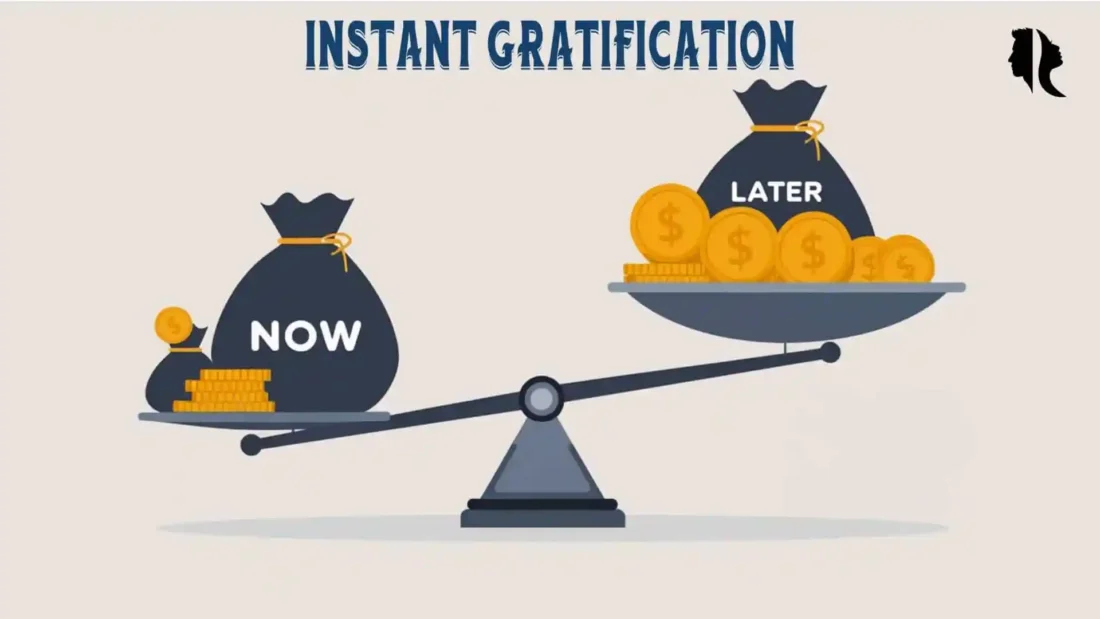
From the moment we are children, the thrill of getting what we want right away feels powerful. That cookie before dinner, the impulse buy at the store, or the instant likes on social media all feed into the same pattern: immediate satisfaction without delay. This desire for instant gratification may seem harmless, but over time it can shape habits that create lasting consequences. To connect this to personal finance, ask yourself: what is the best definition of a credit report? A credit report is a record of your borrowing and repayment history that lenders use to judge your financial reliability. The link is clear—impulsive financial choices made for instant gratification often show up on your credit report, shaping your future opportunities.
The Short-Term Thrill
Instant gratification thrives because the brain rewards us with dopamine, the feel-good chemical, whenever we satisfy a desire quickly. Buying new clothes, eating junk food, or binge-watching shows can all provide temporary boosts in mood. These quick fixes are not inherently bad, but when they become the default response to stress or boredom, they can block us from building discipline and patience. The short-term thrill often masks the long-term costs.
The Hidden Financial Risks
One of the most damaging areas where instant gratification shows up is in money management. Swiping a credit card for an impulse purchase feels easy, but the bill arrives with interest attached. Over time, these small decisions can add up to debt that is difficult to manage. Choosing to spend instead of saving also robs the future. Money that could grow through investments or build security in an emergency fund disappears on short-lived pleasures. Financial health requires patience, but instant gratification constantly tempts us to prioritize now over later.
The Toll on Health
The desire for immediate comfort also affects physical health. Choosing fast food over a home-cooked meal or skipping exercise for entertainment provides temporary relief but undermines long-term wellness. These small choices, repeated daily, can lead to chronic issues like weight gain, fatigue, or stress. The body, like finances, needs consistency and long-term investment. When instant gratification dominates, health goals are often left behind.
Strain on Relationships
Instant gratification can even harm relationships. The urge to prioritize personal desires—whether it is buying for oneself instead of contributing to shared goals, or choosing temporary excitement over long-term trust—creates tension. Patience, compromise, and delayed rewards are all vital to strong connections with others. When the focus is always on the now, relationships can become strained and less fulfilling.
The Illusion of Control
Ironically, giving in to instant gratification often feels like taking control, but in reality it reduces freedom. The more we rely on quick fixes, the more trapped we become by habits and consequences. A night of overspending might limit financial choices for months. A week of skipping commitments might damage personal credibility. True control comes from building the patience to wait and the foresight to plan, not from indulging every impulse.
Learning to Delay Gratification
The good news is that delaying gratification is a skill that can be practiced. Small actions, like waiting 24 hours before making a purchase or setting aside time each week for long-term goals, build discipline. Breaking large goals into smaller milestones also makes the waiting feel more manageable. Over time, these habits strengthen self-control and shift satisfaction from the immediate to the meaningful.
Finding Balance
Avoiding instant gratification does not mean denying joy. Life should still include moments of fun and indulgence. The key is balance—choosing when it is worth it to enjoy something now and when it is better to wait. Treating yourself occasionally can motivate progress, but making instant gratification the rule instead of the exception leads to problems. Balance allows both short-term happiness and long-term stability to coexist.
Final Thoughts
Instant gratification is tempting because it feels so good in the moment, but the long-term costs can be steep. From finances and health to relationships and personal growth, the habit of seeking immediate satisfaction often undermines future success. Learning to delay gratification builds patience, resilience, and a stronger foundation for well-being. The next time you are tempted by the quick win, remember that the real payoff often comes from waiting, planning, and investing in the future.


