When it comes to horse nutrition, few topics generate as much conversation as whether alfalfa should play a role in a horse’s diet. Owners often find themselves asking the same central question: is alfalfa good for horses? While much of the discussion focuses on the obvious advantages or potential drawbacks of feeding this legume, many people overlook the unexpected benefits that come from diving deeply into the topic. By examining not only the nutritional content of alfalfa but also the broader lessons horse owners gain when evaluating it, we discover surprising insights into equine health, management, and even the way we connect with our animals.
Reframing the Nutrition Conversation
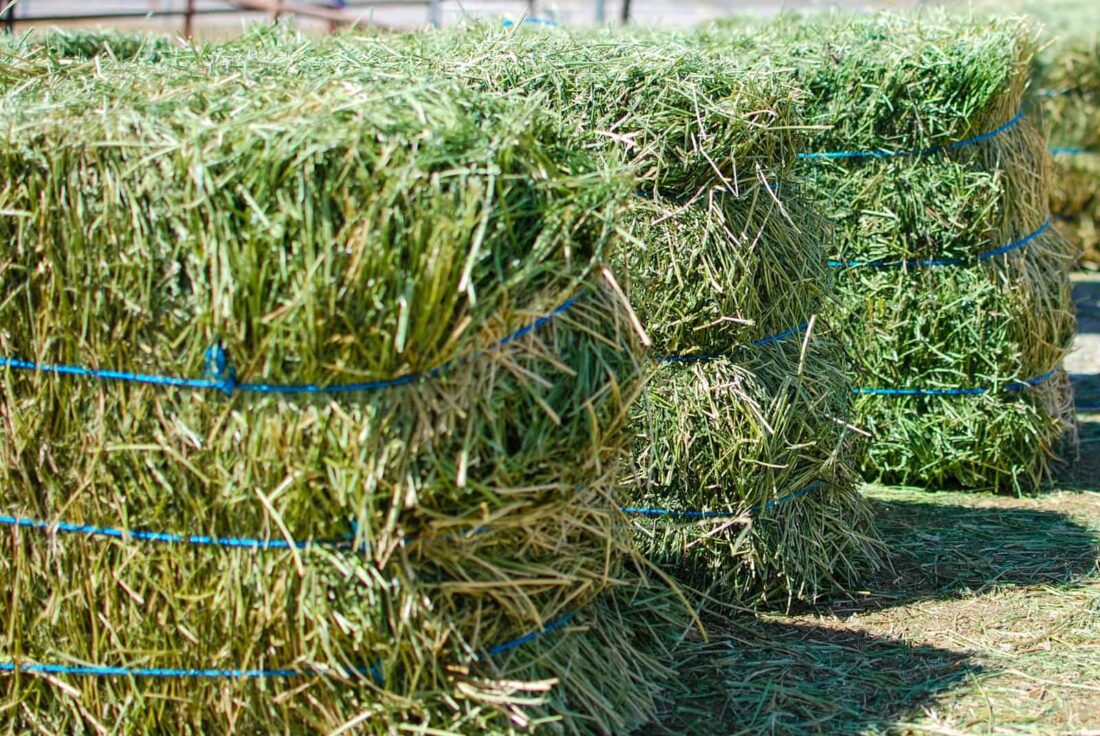
One unexpected benefit of focusing on whether alfalfa is good for horses is that it encourages owners to think critically about nutrition overall. Rather than simply relying on tradition or stable habits, owners who ask this question are prompted to examine protein, fiber, and calcium levels in their horse’s diet. Alfalfa is high in protein, often containing between 15 to 20 percent, compared to grass hays that hover around 8 to 12 percent. This leads owners to investigate whether their horses are getting too much protein or if they could benefit from the extra energy and muscle support. By asking is alfalfa good for horses, owners expand their understanding of balance, moderation, and the importance of tailoring diets to individual needs.
A Gateway to Understanding Horse Metabolism
Another unexpected outcome of this nutritional debate is the way it sheds light on metabolism and energy utilization. Some horses thrive on alfalfa because its energy density supports performance and recovery. Others may find themselves gaining excess weight or developing metabolic concerns if their caloric intake is too high. Owners who take the time to evaluate these details discover more about equine digestion, the role of the hindgut, and how different feeds affect insulin sensitivity and overall health. The process of asking is alfalfa good for horses opens the door to recognizing subtle signs of metabolic stress, which ultimately helps owners provide better care across the board.
Strengthening Bonds Between Owners and Horses
When horse owners focus on whether alfalfa is beneficial, they naturally spend more time observing their animals. Monitoring weight, coat condition, energy levels, and behavior becomes a daily practice. This close attention leads to stronger bonds, as owners develop a deeper awareness of their horses’ individual quirks and responses. Horses benefit from this attentiveness because changes in diet or health are noticed more quickly. In this sense, asking is alfalfa good for horses transforms from a simple feeding question into an exercise in mindfulness and connection.
Encouraging Dialogue with Equine Professionals
Another benefit of exploring this question is the way it prompts conversations with veterinarians, nutritionists, and trainers. Because opinions on alfalfa vary, owners often seek professional input. These discussions not only clarify whether alfalfa suits a specific horse but also expand the owner’s knowledge about other dietary factors like supplements, forage testing, and hydration. By raising the question is alfalfa good for horses during veterinary visits, owners initiate broader conversations that lead to more holistic care strategies.
Uncovering the Value of Regional and Seasonal Choices
A surprising aspect of this debate is how it draws attention to regional forage availability. In some parts of the country, alfalfa is abundant and affordable, while in others it may be scarce or expensive. Asking whether alfalfa is good for horses prompts owners to compare local grass hays, blends, and alternatives. This leads to a greater appreciation of agricultural cycles, soil health, and even the environmental impact of sourcing feed. The question becomes more than just about horses; it expands into an understanding of ecosystems and sustainable choices.
Building Awareness of Mineral Balance
One of the key nutritional details about alfalfa is its high calcium content. While this can be a benefit for young, growing horses or lactating mares, it may also throw off the calcium-to-phosphorus ratio in the diet if not managed carefully. Owners who investigate whether alfalfa is good for horses quickly learn about the importance of balancing minerals. This knowledge extends beyond alfalfa and becomes a tool for evaluating all feeds and supplements. Understanding mineral interactions can prevent developmental issues in foals, support strong hooves, and reduce the risks of metabolic problems in older horses.
Promoting Preventive Health Measures
Horses on alfalfa may be prone to certain conditions, such as enteroliths in specific regions or gastric discomfort if not fed properly. However, by researching these risks, owners become more proactive in preventive care. They learn the importance of ensuring adequate water intake, feeding consistent amounts, and monitoring manure quality. The act of questioning is alfalfa good for horses leads owners to adopt habits that support digestive health in general. This preventive mindset pays dividends in the form of reduced veterinary emergencies and healthier horses overall.
Shaping Better Training and Performance Outcomes
Performance horses often require higher protein and calorie intake to sustain their workload. Alfalfa can be a valuable tool in meeting these demands, particularly for equine athletes engaged in endurance, jumping, or racing. When owners focus on whether alfalfa is good for horses, they start to align dietary choices with training regimens. This alignment highlights the connection between nutrition, conditioning, and recovery. As a result, performance improves not just because of the feed itself but because the owner is thinking more holistically about the horse’s entire lifestyle.
Cultivating Patience and Adaptability
Every horse reacts differently to dietary changes. Some tolerate alfalfa exceptionally well, while others do not. Exploring the question is alfalfa good for horses teaches owners patience as they test small adjustments and observe outcomes. It also cultivates adaptability, since feeding plans often need to be modified seasonally, based on workload, or in response to health changes. These skills transfer beyond feeding and help owners navigate other aspects of horsemanship with greater flexibility and resilience.
Raising Awareness About Water and Hydration
One often overlooked aspect of feeding alfalfa is its impact on water consumption. Because alfalfa is higher in protein, horses excrete more nitrogen in their urine, which can increase water requirements. Owners who research alfalfa for horses soon realize the importance of consistent, clean water sources. This heightened awareness not only supports horses fed alfalfa but also improves hydration practices for all horses in the barn. Adequate hydration reduces the risk of colic, supports digestion, and enhances overall health.
Inspiring Community Learning
The question of whether alfalfa is good for horses also inspires conversation among equestrians. Online forums, barn discussions, and social media groups often revolve around feed choices. By engaging with these communities, owners gain access to a wide range of experiences and perspectives. This collective learning environment fosters camaraderie and helps individuals avoid repeating common mistakes. In many cases, the discussion around alfalfa becomes a springboard for exploring other important topics in equine care.
Encouraging Evidence-Based Decisions
Finally, the process of evaluating alfalfa encourages owners to rely on research and data rather than hearsay. Forage testing, nutrient analysis, and veterinary recommendations become essential tools. By grounding decisions in evidence, owners improve the accuracy of their feeding programs and develop a more scientific mindset. This habit of evidence-based care benefits every aspect of horse ownership, from vaccinations to hoof care. The simple act of asking is alfalfa good for horses helps cultivate a culture of informed decision-making.
Happy Horses
At first glance, the debate over whether alfalfa belongs in a horse’s diet seems straightforward. Some horses need its high protein and calcium, while others may be better off with grass hays. Yet when owners truly focus on the question is alfalfa good for horses, they uncover a wealth of unexpected benefits. They learn to evaluate nutrition critically, understand metabolism more deeply, build stronger bonds with their animals, engage in thoughtful conversations with professionals, and adopt preventive health strategies. They also become more adaptable, community-minded, and evidence-driven. In the end, the greatest value of asking the question may not lie in the answer itself but in the journey of learning and growth it inspires for both horse and owner.


