Estate jewelry carries stories, craftsmanship, and character that modern brides love. When paired with contemporary gowns and fresh accessories, these heirloom-quality pieces feel intentional and current. This guide explains how to combine antique treasures with today’s silhouettes and styling choices so every element works together on your wedding day.
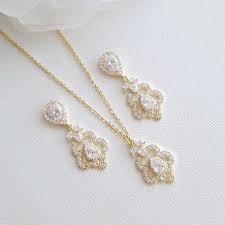
Understanding Estate, Vintage, and Antique at a Glance
Estate jewelry is any previously owned piece, while “vintage” typically refers to pieces 20–99 years old, and “antique” usually means 100 years or older. Each era brings distinct metalwork, stone cuts, and motifs—think Edwardian platinum filigree, Art Deco geometry, or mid-century glamour. Knowing the period helps you match design language with your gown’s lines and textures.
Pairing Estate Pieces with Contemporary Gowns
Minimalist Sheath and Column Dresses
Clean, streamlined gowns benefit from one standout historical piece. A Deco bracelet with crisp calibred stones or an Edwardian navette ring adds architectural interest without visual clutter. Keep the neckline open and choose refined studs or a slim line necklace to maintain a sleek profile.
Modern Ballgowns and A-Lines
With fuller skirts and structure, you can carry a slightly bolder jewel. Consider a Victorian cluster pendant suspended on a fine chain, a graduated rivière, or chandelier earrings with old mine cuts. Keep metals cohesive, and let one focal piece command attention while supporting pieces remain understated.
Bias-Cut or Slip Dresses
Fluid satin and silk pair beautifully with warm old-cut diamonds in buttery gold. Low-profile rings, delicate rivière necklaces, and softly articulated bracelets complement movement and avoid snagging. If you opt for a statement earring, balance it with a bare neckline and a smooth, modern veil.
Bridal Jumpsuits and Separates
Graphic shapes from the Deco era shine here—think a geometric cuff, a sculptural brooch clipped at the waist, or a transformable pendant worn on a sleek torque. Keep proportions crisp so the jewelry feels like part of the design rather than an afterthought.
Metals, Stone Cuts, and Dress Tones
Choosing Metals with Intention
Cool-toned gowns (optical white, bright ivory) pair well with platinum and white gold, echoing Edwardian and Deco eras. Warmer dresses (cream, champagne, soft blush) love yellow or rose gold, especially with early old mine and old European cuts. If you plan to mix metals, choose a single “bridge” piece—such as a two-tone bracelet—to unite the palette.
Understanding Antique Stone Language
- Old mine and old European cuts give off candlelit fire—romantic with satin and lace.
- Step cuts (Asscher, emerald) read graphic and refined—ideal with architectural gowns.
- Rose cuts feel ethereal and low-profile—smart for sheer sleeves, gloves, or delicate overlays.
Necklines, Veils, and Hair: Placing the Focus
Neckline Strategies
- High necks and mock collars: Skip a necklace and feature earrings or a brooch at the shoulder.
- Sweetheart and plunging V: A pendant or rivière draws the eye to the centerline; keep earrings simple.
- Off-the-shoulder: Statement earrings or a wide collar necklace keep balance across the collarbones.
Veils and Hair Accessories
Vintage combs, crescents, and barrettes add quiet sparkle under a soft tulle veil. For fingertip or cathedral veils, keep hair jewels slim and secure to prevent tangling. If you skip a veil, a period tiara or diadem can become the signature moment—just test for comfort and balance before the big day.
Rings That Feel Current with Heirloom Character
For brides drawn to timeworn sparkle, vintage engagement rings for women add heritage without feeling dated. Low-profile baskets, subtle halos with millegrain, and knife-edge shanks feel fresh while honoring period details. Consider stacking a slender contemporary band beside an antique solitaire to bridge eras, or rotate an oval or marquise east–west for a modern touch. If you love color, Victorian and Art Deco rings with sapphires, rubies, or emeralds read classic yet striking against today’s minimal gowns.
Balance and Proportion: A Simple Styling Framework
- Pick a hero piece and let it lead; keep everything else quiet.
- Echo one motif (a geometric step cut, a laurel leaf, or a starburst) in two places at most.
- Let patina show. Light surface history tells the story and keeps the look authentic.
Men’s and Partner Accessories
Estate cufflinks, dress sets, and vintage tie bars bring cohesion without matching outright. A Deco onyx cufflink can echo a black grosgrain lapel, while a Victorian signet ring nods to tradition. Keep metals aligned with your own jewelry so photos feel unified.
Practical Tips for a Smooth Wedding Day
Fit, Comfort, and Security
Do a test wear with your gown and jewelry to check weight, snag risk, and mobility. Convertibles (pendant-to-brooch, tiara-to-necklace) should be professionally fitted to your hairstyle and neckline. Confirm clasps, catches, and screw backs are tight; consider a safety chain for bracelets.
Cleaning and Care
Most antique diamonds and corundum (sapphire, ruby) tolerate gentle hand-cleaning with mild soap, soft brush, and lukewarm water; dry with lint-free cloths. Avoid ultrasonic cleaners for foiled-back pieces, closed settings, and delicate enamel. Store each item in a soft pouch or tray before and after the ceremony.
Smart Sourcing for Estate Jewelry
Work with trusted specialists who provide clear era attributions, accurate condition notes, and detailed photos or video. Ask about past alterations, stone integrity, and whether components are original or married. If timing allows, secure a written condition report and confirm resizing or minor restorations can be completed well before your final fitting.
In Summary
Estate jewelry brings depth, craft, and story to modern bridal style. With thoughtful pairing—matching metals to dress tones, aligning gem language to silhouettes, and choosing one true focal point—you’ll create a look that feels current while honoring history, and your pieces will photograph beautifully for decades to come.


