Many children experience emotional ups and downs as they grow. Sometimes, however, changes in behaviour, mood, or social interactions last longer than expected and begin affecting daily life at home or school.
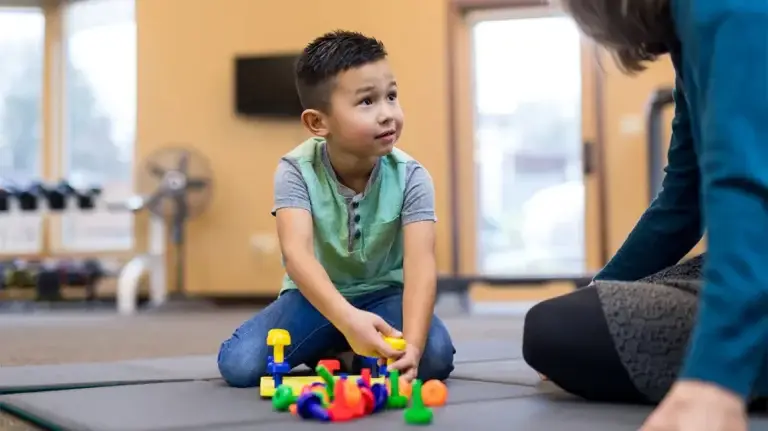
Recognizing these signs early can make a meaningful difference. Therapy provides children with a safe space to express emotions, develop healthy coping skills, and build confidence as they navigate life’s challenges.
When Should Parents Consider Professional Support?
Every child develops at a different pace, but persistent emotional or behavioural changes deserve attention. Families seeking adolescent therapy in Mississauga can access professional guidance to better understand what their child is experiencing and identify practical ways to support their emotional wellbeing.
Frequent Emotional Outbursts
Occasional frustration is part of childhood. Persistent emotional reactions that seem intense or happen regularly may indicate a child is struggling to manage difficult feelings.
If anger, sadness, or anxiety repeatedly affects school, friendships, or family life, professional support can help uncover the underlying cause and teach healthier coping skills.
Anxiety That Interferes With Daily Life
Many children feel nervous before a test or a new experience. Ongoing anxiety becomes more concerning when fear prevents them from participating in normal activities.
Avoiding school, refusing social situations, or worrying constantly may suggest your child needs additional emotional support rather than reassurance alone.
Noticeable Changes in Behaviour
Children often communicate distress through behaviour instead of words. Sudden behavioural changes may appear as irritability, withdrawal, aggression, or unusual sensitivity.
When these changes continue for several weeks without an obvious explanation, they deserve careful attention from parents and qualified professionals.
Difficulty Making or Keeping Friends
Friendships play an important role in childhood development. Social struggles can affect confidence, emotional health, and a child’s sense of belonging.
Repeated conflicts, isolation, or difficulty understanding social cues may indicate challenges that therapy can help address through age appropriate strategies.
Declining School Performance
Academic performance can change for many reasons. Learning and emotional difficulties sometimes appear as falling grades, poor concentration, or reduced motivation.
When teachers also notice changes in focus, participation, or classroom behaviour, it may be helpful to explore whether emotional factors are contributing.
Changes in Sleep or Eating Habits
Children’s routines naturally change as they grow. Persistent disruptions in sleeping or eating patterns may reflect emotional stress rather than physical illness alone.
Frequent nightmares, difficulty falling asleep, loss of appetite, or emotional eating should not be ignored if they continue over time.
Your Child Stops Enjoying Favourite Activities
Children usually look forward to hobbies and play. Loss of interest in activities they once enjoyed can sometimes signal emotional distress or low mood.
When a child consistently withdraws from friends, sports, or creative interests, it is worth exploring what may be affecting their emotional wellbeing.
Why Early Support Can Make a Difference
Early intervention gives children the opportunity to build healthy coping skills before emotional or behavioural challenges become more difficult to manage. Parents who respond with patience, understanding, and appropriate support often help children feel more secure and confident.
Benefits of Seeking Help Early
- Supports emotional development: Children learn healthier ways to understand and express emotions.
- Builds confidence: Positive coping skills improve self esteem in everyday situations.
- Strengthens communication: Children become more comfortable sharing thoughts and feelings.
- Improves relationships: Better emotional regulation supports friendships and family connections.
- Encourages success at school: Emotional wellbeing often contributes to improved learning and participation.
- Reduces long term challenges: Early support may prevent small concerns from becoming larger difficulties.
- Provides guidance for parents: Families gain practical strategies to support their child’s emotional growth.
What to Expect When Your Child Begins Therapy
Starting therapy can feel unfamiliar for both parents and children. Understanding the process often reduces uncertainty and helps families feel more comfortable with the experience.
The First Session Focuses on Understanding
The initial meeting is designed to gather information. A welcoming environment allows children and parents to discuss concerns without feeling judged or pressured.
Therapists learn about family history, school experiences, emotional wellbeing, and the child’s strengths before recommending an appropriate approach.
Therapy Is Tailored to Your Child
Every child has different needs and experiences. Individualized care ensures therapy is based on the child’s age, personality, and emotional development.
Sessions may include conversation, creative activities, games, or other techniques that help children communicate in ways that feel natural.
Parents Remain an Important Part of the Process
Successful therapy often includes family involvement. Parental support helps children practice healthy coping skills outside therapy sessions.
Therapists may share practical guidance that parents can use at home to reinforce emotional growth and strengthen family communication.
Progress Takes Time
Meaningful change rarely happens after one appointment. Steady progress develops through regular practice, consistency, and realistic expectations from both children and parents.
Celebrating small improvements helps children feel encouraged while building confidence in their ability to manage challenges.
Therapy Helps Build Healthy Coping Skills
Children benefit from learning practical ways to handle difficult emotions. Positive coping strategies improve resilience during stressful situations at school, home, and within friendships.
These skills continue supporting emotional wellbeing into adolescence and adulthood, helping children manage change, build resilience, and strengthen relationships.
Therapy Supports the Entire Family
When a child receives support from experts like Inner Voice Therapy, the whole family often benefits. Learning more through parent therapy can also help parents strengthen communication, improve conflict resolution, and create a more supportive home environment.
A healthier family dynamic provides children with greater emotional stability, making it easier for them to apply the skills they develop during therapy.
Every Child Has the Potential to Thrive
Children are remarkably resilient when given the right support. Early guidance helps them build confidence, strengthen emotional skills, and navigate challenges more effectively.
With patience, encouragement, and professional care, many children develop healthier ways to manage emotions and build positive relationships.
How Parents Can Support Their Child Between Therapy Sessions
Therapy works best when children receive consistent support at home. Small daily actions can reinforce the skills they learn during sessions and help them feel safe, understood, and encouraged.
Practical Ways to Support Your Child
- Listen without interrupting: Give your child time to express their thoughts and feelings.
- Validate emotions: Let them know it is okay to feel worried, sad, or frustrated.
- Maintain consistent routines: Predictable schedules help children feel secure.
- Celebrate small achievements: Recognize progress, even when improvements seem gradual.
- Encourage healthy habits: Prioritize sleep, balanced meals, and regular physical activity.
- Spend quality time together: Shared activities strengthen trust and communication.
- Stay connected with the therapist: Follow recommendations and discuss any new concerns.
- Be patient: Emotional growth takes time, consistency, and understanding.
Conclusion
Recognizing the signs that a child may need therapy is an important step toward supporting their emotional wellbeing. Early guidance can help children develop healthy coping skills, strengthen relationships, and build confidence that benefits them throughout life. With the right support, children can better understand their emotions and face everyday challenges with greater resilience.


