You expected trauma treatment to begin with the trauma. Instead the first conversations are about what time you go to bed, how often you wake, and what happens when you do.
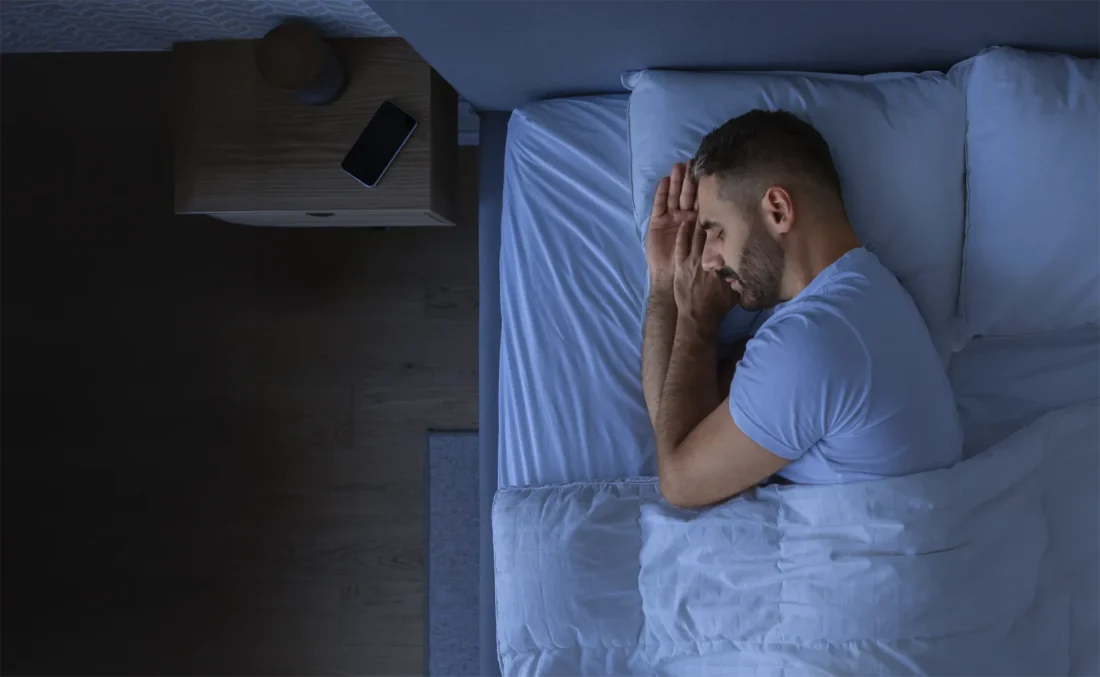
That’s deliberate, and it’s one of the more useful things to understand about ptsd treatment in yorba linda programs or anywhere else. Sleep is not a comfort issue to sort out once the real work is done. With PTSD it’s close to a precondition for the real work happening at all.
What PTSD Does to Sleep
Two problems run at once, and they reinforce each other.
The first is difficulty getting to sleep and staying asleep. A nervous system running continuous threat detection does not power down on request. Lying still in the dark removes distraction and makes hypervigilance louder rather than quieter, which is why so many people describe the hour before bed as the worst of the day.
The second is nightmares. Trauma-related dreams are distinct from ordinary bad dreams. They frequently replay the event or its emotional content, they wake people fully, and they leave the body in a state of physiological arousal that takes hours to settle.
Between them, many people with PTSD end up chronically sleep-deprived for years, and a substantial number develop a genuine fear of sleeping.
Why This Blocks Everything Else
Sleep deprivation degrades exactly the capacities trauma therapy requires.
Emotional regulation deteriorates first. Tolerance for distress narrows, which matters enormously when the work involves approaching difficult material. Memory consolidation is impaired, so the skills learned in a session are less likely to stick. Concentration drops. Irritability climbs, straining the relationships that provide support.
There’s also a specific complication. Sleep, and REM sleep particularly, appears to play a role in how emotional memories get processed and integrated. Disrupted sleep may interfere with the very mechanism that trauma treatment is trying to engage.
Asking someone to process trauma on four broken hours a night is asking them to do difficult work without the equipment.
What Gets Addressed First
Stabilization in a trauma program generally covers sleep directly rather than hoping it improves once the trauma work starts.
| Problem | Typical approach |
|---|---|
| Difficulty falling asleep | CBT for insomnia, which has strong evidence and outperforms medication long term |
| Nightmares | Imagery rehearsal therapy, rewriting and mentally rehearsing an altered version of the dream |
| Nighttime hyperarousal | Somatic and regulation work, wind-down structure, environmental adjustments |
| Fear of sleeping | Addressed directly rather than treated as a symptom that will resolve on its own |
| Substances used to sleep | Alcohol and other substances fragment sleep and are commonly involved |
| Medication questions | Reviewed with a prescriber, with some options considered for nightmares specifically |
Imagery rehearsal therapy is worth knowing about because it surprises people. Rather than analyzing the nightmare, you rewrite it while awake, changing the ending or any element you choose, and rehearse the new version deliberately. It has a solid evidence base for trauma-related nightmares and it doesn’t require reliving the event.
The Alcohol Question
This comes up in nearly every trauma assessment and deserves saying plainly. Alcohol is the most common thing people use to get to sleep with PTSD, and it works in the short term.
What it also does is suppress REM sleep and then produce rebound fragmentation later in the night, which typically makes nightmares worse rather than better once the effect wears off. People often find that the drinking that started as a sleep solution has become a second problem layered on the first.
Raising it honestly at assessment changes the treatment plan rather than disqualifying anyone from care.
Why Residential Settings Help Here
Sleep is one of the clearest arguments for treating trauma somewhere with overnight clinical presence.
Nightmares happen at three in the morning. In a residential setting, someone is awake and available then, which changes the experience from enduring it alone to being supported through it. Sleep patterns can also be observed rather than self-reported, and the environment itself is quieter and more predictable than most people’s homes.
Once sleep begins improving, the rest of the work becomes possible. That sequence is why programs invest in it first rather than treating it as a side issue.
Reaching Out to We Conquer Together
If you’ve been trying to do trauma work on broken sleep and wondering why nothing consolidates, the sequence may be the problem rather than the therapy. We Conquer Together provides residential mental health treatment in Yorba Linda serving Orange County, with trauma-informed care, somatic and trauma therapy, medical oversight, and a small-group setting.
Mention the sleep specifically when you call. It’s often the fastest thing to improve and it makes everything after it more workable.
If you’re in crisis right now, call or text 988 to reach the Suicide and Crisis Lifeline.
Frequently Asked Questions
1. Why does PTSD cause nightmares?
Trauma-related nightmares reflect unprocessed memory and a nervous system that stays in threat detection. They differ from ordinary bad dreams in that they often replay the event and produce full waking with physiological arousal.
2. What is imagery rehearsal therapy?
It’s a treatment for trauma-related nightmares where you rewrite the dream while awake, changing whatever you choose, then rehearse the new version deliberately. It has good evidence and doesn’t require reliving the event.
3. Should I use alcohol to help me sleep?
Alcohol suppresses REM sleep and causes rebound fragmentation later in the night, which typically worsens nightmares. It commonly becomes a second problem alongside the first.
4. Will treating sleep fix my PTSD?
No, though it makes the rest of treatment substantially more workable. Sleep improvement is generally a stabilization step before trauma processing rather than a treatment for the underlying condition.
5. How long does it take for sleep to improve in treatment?
It varies, and many people notice change within the first weeks of structured sleep intervention. Nightmares often take longer than general sleep quality.


