Pediatric guidelines, including those outlined by the American Academy of Pediatrics and the Centers for Disease Control and Prevention, note that infants typically feed between eight and twelve times per day in their early months. For mothers who pump—whether exclusively or to maintain a milk supply while separated from their infant—this translates into several scheduled sessions daily, each lasting between fifteen and thirty minutes.

While discussions surrounding lactation often concentrate on physiological volume and nutritional composition, the mechanical reality of the process involves a distinct physical limitation: manual bottle holding. Conventional breast pump assemblies require continuous manual pressure to maintain an airtight seal against the breast tissue. Over the course of four to six sessions a day, this requirement accumulates into hours of complete physical immobility, forcing mothers to pause virtually every other task.
The Ergonomics of Static Posture
The physical strain of traditional expression extends beyond simple inconvenience. Holding plastic collection bottles and flanges against the body typically causes a forward-leaning, rounded-shoulder posture. Remaining in this static position several times a day places repeated strain on the cervical spine, shoulders, and lower back, areas already vulnerable during postpartum recovery.
Furthermore, the inability to move even a single hand without breaking suction creates practical micro-frustrations. Reaching for a glass of water, soothing an older sibling, adjusting a supportive cushion, or answering a phone call becomes impossible without stopping the pump cycle entirely. The introduction of hands-free holding mechanisms addresses these ergonomic concerns by distributing the weight of the collection kit across the torso, allowing the neck and upper back to settle into a neutral, relaxed alignment.
Navigating Workplaces and Logistical Time Constraints
For mothers re-entering formal employment, the time spent expressing milk carries distinct operational weight. Statutory frameworks such as the PUMP for Nursing Mothers Act ensure designated break time and private accommodations across many workplace environments. However, the practical challenge of managing professional commitments alongside rigid expression intervals remains substantial.
When employees must completely suspend their workflow to physically hold pump hardware, the break period can feel isolating and disruptive to project momentum. Consequently, discussions surrounding the best pumping bra for working moms routinely prioritize garments that permit simultaneous focus on non-physical tasks. Freeing the hands allows individuals to review documents, manage calendars, or clear correspondence during their designated breaks, softening the tension between infant feeding requirements and workplace productivity.
The Shift Toward Integrated Postpartum Apparel
Historically, hands-free pumping required awkward workarounds, such as rigid bustiers zipped over existing underwear or DIY modifications to nursing tanks. These external accessories often meant unbuttoning or stripping down multiple layers of clothing several times a day, creating extra logistical friction.
Modern maternal apparel design increasingly moves toward multifunctional construction. Rather than treating pumping as an isolated event that warrants specialized straps and separate garments, designers now construct pieces that transition seamlessly through nursing, active expression, and everyday wear. Within this design framework, finding a reliable hands-free nursing bra eliminates the repetitive chore of changing clothes between feedings, treating mechanical expression as a standard, integrated facet of daily maternal life.
Fabric Architecture and Load-Bearing Support
Securing breast pump collection bottles is a nuanced engineering challenge. As milk fills the collection chambers, the downward weight increases, which can pull standard silicone flanges away from the skin and disrupt the vacuum seal. If an apparel piece relies on rigid, non-elastic compression to counteract this weight, it risks pressing too hard on sensitive glandular tissue and milk ducts.
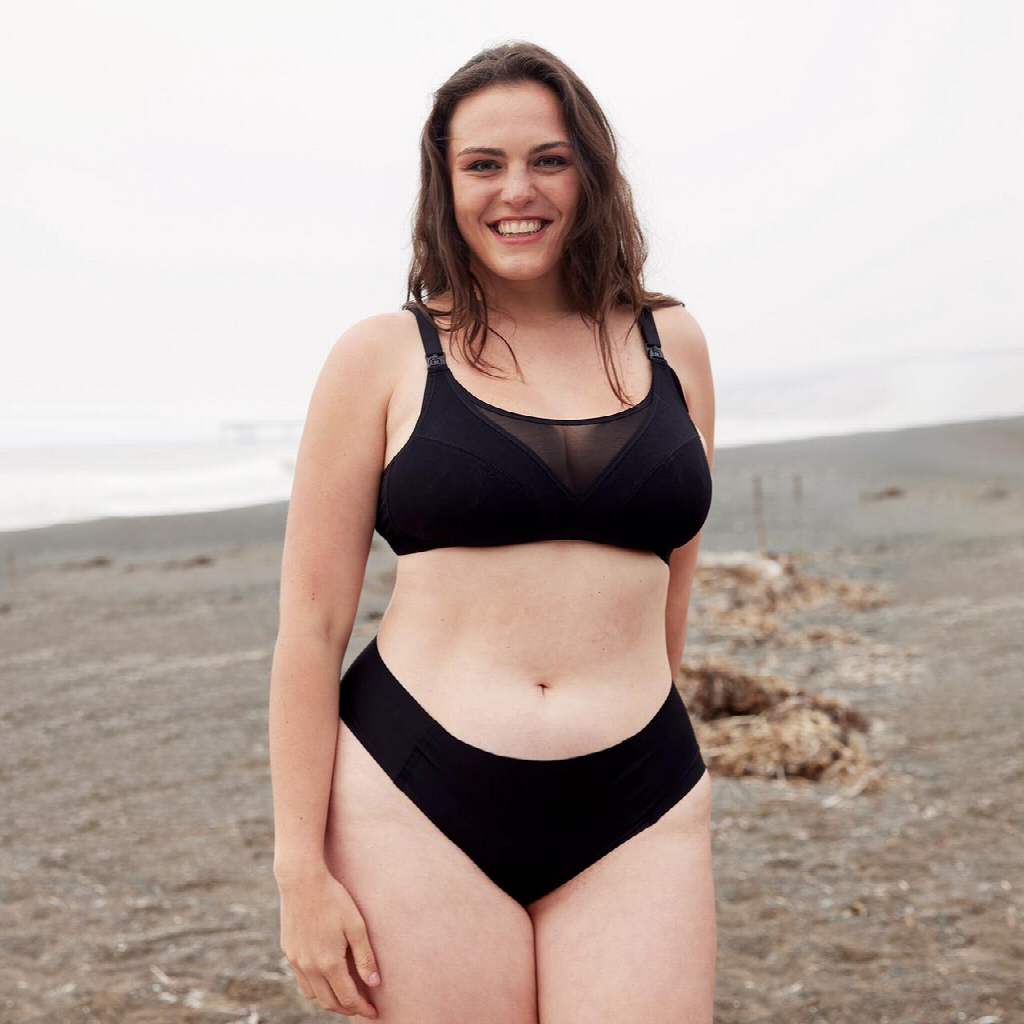
Textile development has evolved to address this balance through blended elasticity. For example, theMomcozy Bamboo – Ultra-Soft & Cool Breeze Pumping & Nursing Bra utilizes a supportive structure composed of a 92% viscose and 8% spandex blend paired with breathable elastic mesh. This construction targets stability for larger bust profiles (specifically C–H cups) while maintaining compatibility with standard flange sizes and wearable motors. As market analyses evaluating the Best hands-free pumping bra for working moms 2026 continue to emphasize, modern garment design succeeds through balanced tension and breathability rather than heavy, uncomfortable boning.
Decoupling Mobility From Hyper-Productivity
Discussions of hands-free equipment frequently lean into expectations of perpetual multitasking. Yet liberating a mother’s hands during expression intervals does not exist solely to encourage relentless productivity. While answering an email or folding a basket of laundry is a helpful option, the primary benefit often lies in restoring basic personal agency.
Having free hands allows a mother to hold an unhurried cup of warm tea, turn the pages of a book, sit back against supportive pillows, or gently stroke a sleeping infant’s head. Removing the need to physically grip plastic parts transforms the pumping interval from a rigid mechanical chore into a manageable pocket of time where rest, personal care, or quiet interaction can occur naturally.
Building Sustainable Postpartum Rhythms
Sustaining a prolonged pumping routine depends heavily on reducing daily friction. When the logistical hurdles of expression—physical discomfort, rigid immobility, and frequent wardrobe changes—compound, the routine often becomes exhausting.
Ergonomic garments and hands-free capabilities do not alter the biological demands of infant feeding, but they fundamentally change how those demands integrate into a woman’s waking hours. By removing the physical requirement to stay frozen in place, functional design returns essential flexibility, physical comfort, and routine control to mothers during a demanding transitional stage of life.