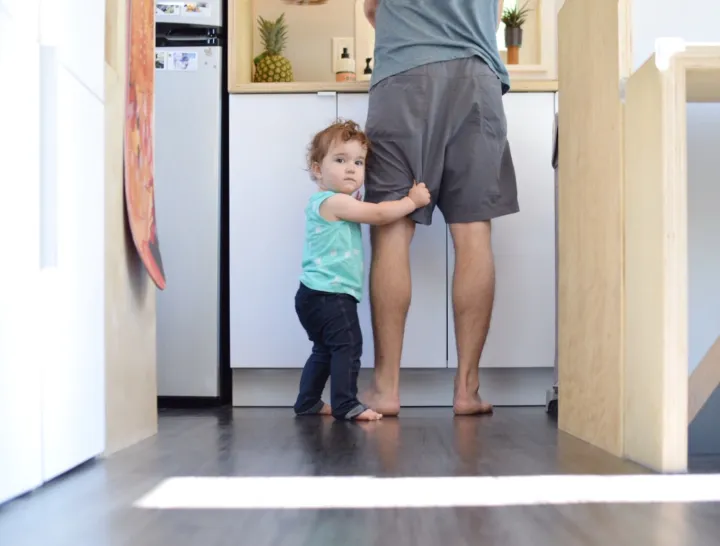
Young children and babies spend a considerable amount of their early life indoors. As they are still developing their bodies are more at risk from the effects of Indoor Air Pollution. This is due to their smaller airways, developing immune system and breathing more air per body weight compared to adults.
Many people are unaware of the importance of Indoor Air Quality. Typically, indoor air pollution is thought of as pollution from outside the building, like vehicle emissions; however, indoor air can be just as polluted.
Poor ventilation, household products, dust and even biological agents such as mold spores can all cause Indoor Air Pollution. It is important to understand what may lead to poor Indoor Air Quality, and how to enhance that may support your child’s respiratory health going forward.
Why is there Indoor Air Pollution?
Indoor Air Pollution: Any substance in the air that can affect our health. Sources of Indoor Air Pollution in the home and in childcare include:
Dust and dust mites – found in carpets, beddings and soft furnishings.
Mould spores- Present in bathrooms, laundries and other damp, poorly ventilated places.
Smoke from tobacco products – both the smoke itself and smoke residue from fabrics.
Volatile Organic Compounds (VOCs) – Present in certain types of paint, cleaning solutions and new furniture.
Pet Hair/Dander – can cause allergic reactions in sensitive children.
Cooking Odours – particularly gas cookers (if not well ventilated).
Pollens and outdoor pollutants – brought in via open windows and on clothing.
Some types of Indoor Air Pollution are more obvious such as smoke but others can slowly develop such as dust mites.
Why is Air Quality more of an issue for Babies and Young Children?
Children are more vulnerable to the impacts of low Air Quality for a number of reasons. They have underdeveloped lungs, a higher breathing rate, are near the ground and their immune system is not fully developed.
Their lungs are still developing
Lungs continue to develop throughout childhood.
Higher respiratory rate
Infants and young children have a higher respiratory rate than adults therefore they will be breathing more air (and pollutants) per body weight.
Closer to the ground
Babies and toddlers often crawl or play on the floor so dust, allergens and heavier particles will settle here.
Immune system is still developing
Children are more likely to have respiratory infections and allergic reactions.
How Can Poor Indoor Air Quality Affect Children?
Children can suffer from respiratory and allergic problems due to Poor Indoor Air Quality. This includes:
Asthma There are many allergens indoors, such as dust mites, mould and pet dander. If your child is exposed to these in early childhood they may be more likely to develop Asthma.
Continued exposure to allergens may lead to the development of symptoms of allergic rhinitis including runny nose, sneezing and blocked nose.
Respiratory infections Children exposed to poor Air Quality may suffer from more colds, bronchitis or other respiratory issues.
Irritation: your child may get irritated in his or her eyes, nose and throat by chemical fumes or strong cleaning products and new furniture scents. This is typically related to chronic or chronic exposure and therefore it’s important to maintain good IAQ.
What can be done to improve indoor air quality for children?
Indoor Air Quality can be improved without a lot of money invested in improvement.
How to enhance the ventilation of the house?
An increase in air exchange rate will help reduce Indoor Air Pollution. Open windows in the winter and throughout the day. Moisture and cooking fumes will be kept out of the house by kitchen and bathroom extractor fans. If you have a mechanical ventilation system or air conditioner installed in your house, then regularly clean and change the filters, according to the manufacturer’s instructions.
How to decrease dust and allergens in a child’s room?
Frequent cleanings will make a huge impact. A vacuum equipped with a HEPA filter will help decrease dust particles. Change and wash bed sheets often (weekly) in hot water to eliminate dust mites. Avoid having too many soft toys and thick fabrics in your kid’s room.
Which products should you steer clear of?
Try to use products without a strong scent or VOCs. As the new furniture or freshly painted room can emit VOCs, allow it to be aired out first if the child is spending a long time in the room.
Does Smoking Outdoors Still Affect indoor air quality?
Yes. If you smoke outside, near windows or doors, the particles of the smoke will still be getting into your home. The closest thing to maintaining a child’s respiratory health is to create a smoke-free environment at home and in cars.
Who is involved with Indoor Air Quality?
Everyone will benefit from good Indoor Air Quality however if you have a family history of asthma/allergies, live in an area with higher outdoor pollution, have gas cooking appliances or your childcare centre/school has old ventilation systems then you may be at a higher risk of having poor Indoor Air Quality. Using air purifiers with HEPA filters, as well as monitoring humidity levels, will help. If you are looking for an economical small air purifier for a single room, you must also shortlist mini aer air purifier.
Enhancement of indoor air quality.
Looking after your child’s health can include looking after the air inside your home, something that is more overlooked. The effects may be cumulative and babies and young children are at greater risk because their lungs are not fully developed, and because they breathe faster, and are closer to the ground.
Taking steps to improve the air quality inside doesn’t have to be drastic. Better air exchange, frequent cleaning, managing water and using the appropriate products will help make the environment healthier. By being mindful about IAQ, you can be part of an easy continuous measure to ensure your child’s healthy living.


