Most buyers study the dial and bezel for hours, then glance at the bracelet for seconds. That approach overlooks the part that takes sweat, knocks, desk contact and daily flex. It may also have been replaced during the watch’s life.
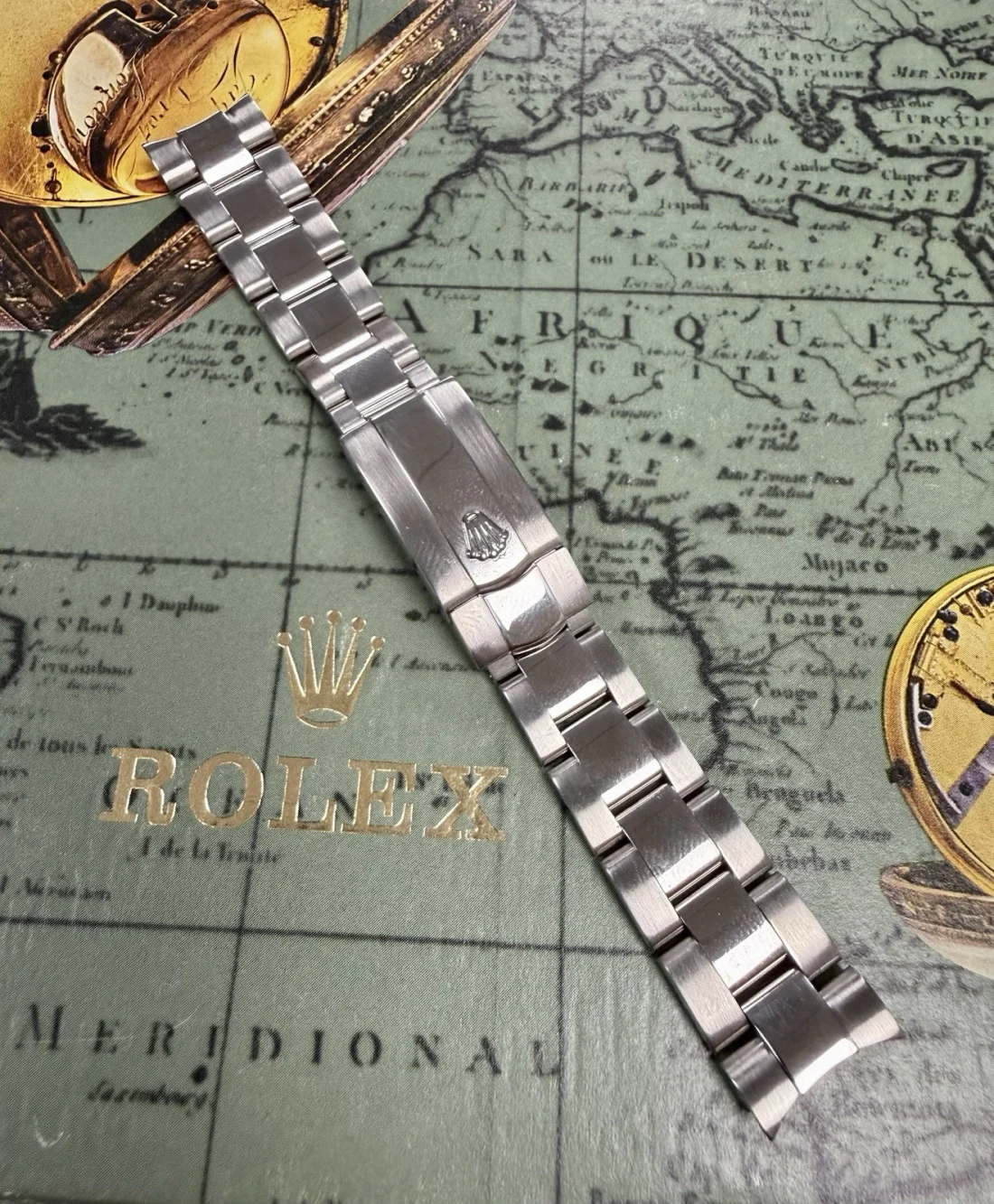
Start with the reference number, not the photo
Every suitable choice starts with the case reference stamped between the lugs on many older models or shown in the watch’s records. Don’t shop by model name alone. A Submariner and a Datejust may both wear an Oyster bracelet, but their end shape and lug width can differ. Ask the seller for the full reference and end-link code before discussing price.
Confirm the lug width from reliable specifications for the exact reference. Sport references can use 20mm, 21mm or 22mm widths, so check the documentation rather than guessing by eye. A millimetre of error shows at the lugs. The end links should match that width, without an obvious step or gap at the case. Solid end links usually sit flush on compatible modern cases, while hollow end links may have some movement and are found on many older builds.
Worn or unsuitable spring bars can put the watch at risk. Ask for close photos of the bars and the holes in the lugs, along with the bracelet code stamped inside the clasp. Codes such as 93150 and 78360 appear on particular bracelet generations, but compatibility depends on the complete reference, end links and production period. When the end-link code and case reference do not correspond, you may see a step at the lugs or notice play that changing the spring bars will not necessarily fix.
If the seller can’t provide the reference and end-link numbers, pause the deal. There is little value in a bracelet that will not seat correctly.
Completeness matters. A full set should include the removable links needed for sizing and straight bars with strong tension. Missing links limit the available fit, and replacements add cost.
Know how Oyster links are built
The Oyster uses three broad links per row. A raised centre link sits between two flatter outer links. The basic layout has a long history, although the way those links are made has changed across references and periods.
Many early versions used folded sheet metal with hollow sections. They felt lighter and could develop stretch after years of wear. Modern Rolex steel bracelets generally use solid links made from the corrosion-resistant alloy Rolex calls Oystersteel. Rolex adopted 904L-family steel during the 1980s, though the timing and construction vary by component and reference.
The design is associated with the practical approach of the Oyster case, introduced in the 1920s to improve resistance to water and dust. Oyster bracelets were likewise intended for secure daily wear. The Jubilee took a different approach, using five smaller links per row for a more decorative appearance, while the Oyster remained broad and relatively flat.
Solid links change how a bracelet wears over time. They generally hold their curve well and resist becoming loose as quickly as heavily worn folded links. Folded links can still give good service if the pins and connecting parts remain sound. Wear often appears as side play and visible sag when you hold the bracelet straight.
The difference is usually noticeable in hand. A modern Oystersteel bracelet typically has more weight than a thin folded bracelet, although weight varies by reference, link count and clasp.
Don’t treat low weight as proof of a fake. Some genuine older steel bracelets were built with lighter components.
Clean the bracelet with mild soap when appropriate and dry it carefully with a soft cloth. Grit left between the links can accelerate wear around the pins.
Compare clasp systems for daily use
The clasp can affect comfort as much as the links. Two bracelets may look similar from above yet wear differently on the wrist.
Vintage flip-lock
Many early sport clasps used a simple folding blade with a locking flap. They should snap shut and hold securely when the components are in good condition. Quick adjustment may be limited or absent, depending on the reference, so the fit often relies mainly on links and any available clasp settings.
Oysterlock with Easylink
Many modern sport models use an Oysterlock safety clasp. It folds shut, then a secondary latch closes over it. Some versions include the Easylink extension, which provides about 5mm of adjustment without removing a link. It can be opened in warm conditions and folded back when a closer fit is preferred.
Glidelock dive clasp
Certain Submariner and Sea-Dweller references use a Glidelock clasp. Depending on the version, it offers incremental adjustment and can provide about 20mm of travel without a separate pin tool. The range helps accommodate heat-related wrist changes and, on suitable dive models, fitting over diving equipment.
Pick the clasp for your routine and verify that it belongs with the exact watch reference. Desk work in controlled conditions may require little adjustment, while outdoor wear and travel can make extra range useful. Some fit complaints come from limited adjustment rather than the number of links alone.
If you divide your time between the office and outdoors, Easylink may provide enough movement. If your wrist expands considerably in the heat, a compatible Glidelock-equipped reference may offer more flexibility.
Test each latch twice. It should click cleanly and sit flush, without obvious lift at the edge. If it opens under light thumb pressure, the clasp components need inspection by Rolex or a qualified independent watchmaker.
Check structure and surface before you pay
Hold the bracelet straight and look down its edge. The links should stack in even lines, subject to normal wear for their age. Run a fingernail slowly across the side of the centre links. Noticeable dips, soft waves or irregular surfaces can indicate previous refinishing or wear.
Soft, rounded edges may look appealing in photos but appear less defined in hand. Heavy polishing can thin surfaces and round transitions that were originally sharper. Light hairlines are normal on a used bracelet, while dished tops or noticeably thin clasp components deserve closer inspection. Be cautious when a highly polished finish appears to have altered the original shape.
Some stretch is normal on older folded bracelets. Hold the bracelet sideways. A little droop can reflect age, while wide gaps at the pins and links that will not hold a curve suggest more substantial wear. Shake it gently near your ear. Some rattle may be expected from older construction, but a loose clink combined with significant sideways movement warrants professional assessment.
Ask when the pins were last checked and whether all screws turn freely. Also ask whether the bracelet has been straightened, re-pinned or refinished. A specialist may be able to address some wear, but metal removed during polishing cannot simply be restored through routine servicing.
Bring a loupe if you can.
Under 10x magnification, you may spot softened edges or surface work that photos hide. You can also inspect whether brushed tops retain an even, directional grain or show swirls from previous refinishing.
Budget for suitable new spring bars with a used purchase if replacement is recommended. They are inexpensive relative to the watch and should be correct for the case and bracelet.
Confirm authenticity and price the replacement
An Oyster bracelet can contribute to an assessment of whether a Rolex watch is period-correct, but no individual stamp or code proves authenticity. Start with the coronet stamped inside the folding clasp and compare its form with verified examples from the relevant period. Buyers who need a correct standalone rolex oyster bracelet often compare clasp stamps and end-link numbers across several photos before asking Rolex or a qualified independent watchmaker for confirmation.
Turn the end links over and inspect any metal marks or link numbers. These should be checked against the case reference and production period rather than viewed in isolation. Clasp blades may carry date letters or short codes such as ST9, depending on age and reference. Fonts and finishes should be consistent with documented examples, while brushed tops should show straight grain and defined edges. Polished centres should have an even finish without heavy surface distortion.
Use those details to assess the watch as a whole. Clasp codes inconsistent with the expected production period call for further investigation, but service replacements can complicate the picture. Soft stamping, poor fit or mismatched finishing may point to replacement, refinished or non-factory parts. Because bracelets are removable and may be replaced during service or ownership, confirm any conclusion with records and professional inspection.
Price follows condition, correctness and completeness as well as age. A factory replacement can represent a substantial share of a watch’s value. Service centres price links and clasps by part number, with labour potentially adding to the total. A straight bracelet with sound pins, sufficient links and appropriate codes may command a premium on the pre-owned market because fewer replacement parts are likely to be needed. Paying more for a verified example can cost less than sourcing suitable components afterward.
Match material to how you wear it
Steel suits many forms of daily use. Modern Oystersteel has a different weight and feel from some older steel constructions and generally handles routine exposure to sweat well when cleaned. It shows hairlines over time, but normal wear can make them less conspicuous. Its relatively low profile may also work comfortably under a cuff.
Two-tone Rolesor combines steel with gold components, including centre links on many references. It looks warmer than full steel and usually carries more weight on the wrist. Two-tone Submariner references can make the watch appear dressier without using a full-gold case and bracelet. Polished gold centres tend to show marks readily, so expect additional cosmetic upkeep if the bracelet receives hard daily wear.
Full gold changes the practical considerations. Yellow gold is bright and can show scuffs easily. Everose gold has a pink tone, although its appearance and surface definition still depend on wear and previous polishing. Both add noticeable weight and may create more friction against cuffs than steel. Whether they suit occasional rotation or daily wear depends on the owner and the condition expected.
Choose based on expected wrist time rather than photographs alone. For a Rolex watch worn at a desk and on weekends, steel is often the practical option. Two-tone may suit someone who regularly wears the watch with formal clothing. Allow for the upkeep of polished gold surfaces and avoid sizing any bracelet so tightly that its links rub unnecessarily.
Steel can keep a consistent overall tone with careful maintenance, while polished gold centre links may lose their fresh appearance sooner. Try both materials under a cuff before deciding. What moves easily in the shop may drag against a close-fitting shirt. When buying unseen, ask for the bracelet’s weight and link count, while remembering that numbers alone cannot confirm material or authenticity.
Test fit and live with the adjustment
Size the bracelet on your wrist rather than relying only on measurements. Close the clasp and check that the bracelet feels secure without pressing into the skin. A diver intended for use over equipment needs different sizing from a watch worn directly on the wrist. In normal wear, the bracelet should move slightly without allowing the watch to spin freely.
Wrists can swell with heat and travel. Easylink provides about 5mm of adjustment on compatible clasps, while certain Glidelock versions offer a larger range that may reach about 20mm. Test the available settings before buying and ask the seller how many links come with the set.
A short bracelet requires extra links and expense. A long one can leave excess bracelet tucked underneath, depending on how links are distributed. Neither arrangement is ideal, so get the link count close and use the available micro-adjustment for smaller changes.
Wear it for ten minutes in the shop. Type, bend your wrist and rest it on a desk. Persistent pressure at the clasp edge may mean the sizing, link distribution or bracelet curve needs adjustment. Minor discomfort during a brief fitting can become distracting in daily use.
Don’t chase a skin-tight fit. A Rolex watch should remain reasonably stable on top of the wrist while allowing modest movement underneath. A tight bracelet can trap sweat and create pressure, while a loose one may move against the case and wrist.
Keep one spare link stored rather than fitted if the remaining bracelet provides a comfortable size. Wrist size can change, and having the correct spare avoids a difficult search later.
Give the bracelet the same attention as the dial. Appropriate codes, preserved metal, sound pins and a clasp suited to your routine matter to comfort and long-term use. Confirm compatibility and authenticity with Rolex or a qualified independent watchmaker before completing the purchase.


