A smile can influence how comfortable you feel in photographs, at family celebrations, during work meetings, and even in everyday conversations. This does not mean anyone needs perfectly straight or brilliantly white teeth. However, stains, gaps, chips, or worn-looking teeth can sometimes make people hesitate before smiling.
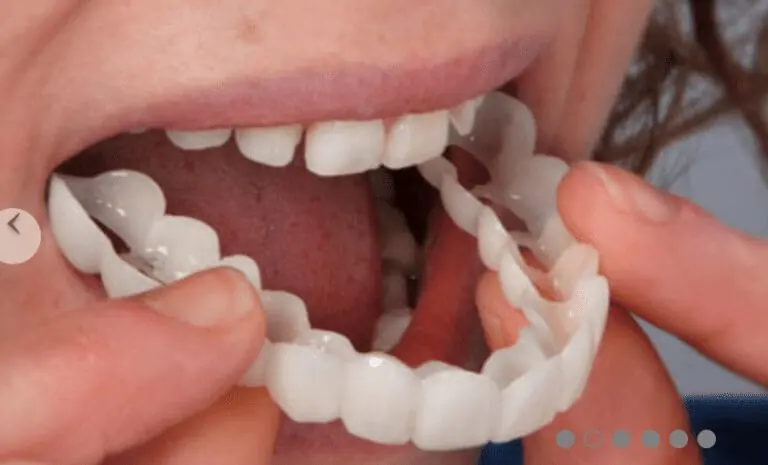
Permanent cosmetic dental work is one possible route, but it may involve a significant financial commitment and multiple appointments. This has led more people to explore removable alternatives, including snap-on veneers.
Snap-on veneers are designed to sit over a person’s existing teeth and temporarily change the visible appearance of their smile. They may cover certain stains, small gaps, chips, missing teeth, or mild unevenness. They do not permanently alter the underlying teeth, and they can be removed when they are not being worn.
That sounds straightforward, but the buying process can be more complicated than social media advertisements make it appear. Results can vary considerably between providers, products, and individuals.
If you are considering snap-on veneers for family photographs, a wedding, work, dating, or simply to feel more comfortable smiling, here are nine important things to understand before spending your money.
1. Understand What Snap-On Veneers Can and Cannot Do
Snap-on veneers are removable cosmetic covers. They are intended to change the visible shape, shade, and arrangement of the teeth while they are being worn.
They may help disguise:
- Stained or discolored teeth
- Small gaps between teeth
- Chipped or worn-looking teeth
- Mild unevenness
- Certain visible missing teeth
- Teeth that appear small in proportion to the smile
However, they do not straighten teeth, treat decay, stop gum problems, or replace missing tooth roots. They should not be confused with porcelain veneers, dental implants, dentures, bonding, or orthodontic treatment.
This distinction matters because someone who wants a temporary cosmetic change has different needs from someone experiencing pain, swelling, loose teeth, or difficulty chewing.
Before ordering anything, take time to learn how snap-on veneers work and decide whether the product category matches what you actually want to achieve.
If you are experiencing pain, bleeding, swelling, untreated decay, loose teeth, or problems with existing dental work, speak with a dentist before wearing something over the affected area. Covering a problem does not resolve its cause.
2. Be Clear About Why You Want Them
It is easy to become interested in cosmetic products after seeing a dramatic before-and-after video. Before buying, ask yourself where and how often you realistically expect to wear your veneers.
For example, you might want them for:
- Family photographs
- A wedding or special celebration
- Work presentations
- Video calls
- Social occasions
- Dating
- Creating content
- Temporarily covering a visible gap
- Feeling more comfortable in close-up pictures
Your intended use should influence your expectations. Someone wanting a temporary smile change for occasional photographs may judge the product differently from someone hoping to wear it throughout every working day.
It is also worth identifying the specific feature you want to change. Is your main concern the color of your teeth, a gap, uneven edges, or the overall shape of your smile?
Being precise helps you avoid paying for a product that does not address your actual concern. It can also help you choose a more believable tooth shape and shade instead of automatically selecting the brightest available option.
3. Custom-Made and Generic Products Are Not the Same
Some low-cost snap-on teeth are sold through large online marketplaces. These products may use heat-softened material that the buyer shapes at home. They are usually created in standard sizes rather than from a detailed impression of the individual’s teeth.
Custom-made snap-on veneers follow a different process. The provider normally sends an impression kit, which the customer uses to capture the shape and position of their teeth. The impression is returned so a set can be produced for that person.
A custom product is not guaranteed to fit perfectly, but it generally offers a better starting point than a standard product designed to fit many different mouths.
Generic products may be suitable for costume use, jokes, videos, or experimentation. They are less likely to provide the personalized shape people normally expect when buying something for regular social use.
When comparing prices, check what you are actually receiving. A product costing less than $50 is unlikely to involve the same production process, adjustment support, or buyer protection as a custom-made set.
4. The Brightest Shade Is Not Always the Most Natural
Many buyers understandably want noticeably whiter teeth. However, choosing the brightest shade can sometimes make snap-on veneers appear more artificial.
Natural teeth are rarely pure white. Their appearance is influenced by lighting, skin tone, age, surrounding teeth, makeup, and clothing. An extremely bright shade may look impressive in a carefully lit advertisement but stand out more noticeably in daylight.
A slightly softer shade may produce a more believable result, particularly if you plan to wear the veneers in person rather than only in photographs.
Consider:
- Your natural tooth color
- Your skin’s undertone
- Whether you usually wear warm or cool makeup shades
- How the veneers will look in daylight
- Whether only one arch will be covered
- The visibility of your uncovered teeth when speaking or laughing
If you are buying a single upper or lower set, the shade difference between the covered and uncovered teeth may be noticeable. Ask the provider for photographs of each shade under normal lighting and find out whether shade exchanges are allowed.
5. The Impression Process Can Affect the Final Result
For custom-made veneers, the home impression is one of the most important stages of the purchase.
An impression that misses the gumline, contains air pockets, or fails to capture the back teeth clearly may not provide enough information to create a comfortable set. This can result in delays or the need to repeat the process.
A good provider should offer:
- Clear written instructions
- A demonstration video
- Enough impression material for more than one attempt
- Support if you are unsure about the result
- Inspection before the impression is approved
- A defined process for unsuccessful impressions
Do not rush this stage simply because you are eager to receive the finished product. Read the instructions before opening the materials, organize everything you need, and allow enough uninterrupted time.
If your first attempt does not look like the provider’s successful examples, ask for guidance before sending it back. Starting over may be frustrating, but it is usually better than approving an incomplete impression and receiving a disappointing set.
6. Compare Providers on More Than Photographs
Before-and-after photographs can help you understand the type of change a product may create, but they should not be the only reason you choose a company.
Photographs may use favorable lighting, angles, makeup, or editing. Some may feature the provider’s most successful results rather than the average customer experience.
Look beyond the smile transformation and compare:
- How long the company has been operating
- Independent customer feedback
- Common complaints
- Impression assistance
- Production estimates
- Remake conditions
- Refund restrictions
- Warranty length
- Replacement costs
- Customer-service options
- Whether prices and extra fees are clearly displayed
A useful comparison of leading snap-on veneer providers can help you examine these differences in one place. The most suitable company is not necessarily the one with the biggest discount or the most dramatic advertisement.
Pay particular attention to repeated themes in customer reviews. One unhappy review does not establish a pattern, but numerous complaints about the same problem may reveal something important.
Look for comments about fit, appearance, communication, impression support, production delays, remakes, and refunds. These details usually tell you more than a simple average star rating.
7. Think About Everyday Wear Before Ordering
A set may look attractive while you are smiling for a photograph but still feel unfamiliar during conversation. Because the veneers add material over the existing teeth, some people notice changes to speech or the way their lips rest.
The first few times you wear them, you may need to practice saying certain words. Reading aloud at home can help you notice sounds that feel different.
You should also check the provider’s instructions about:
- Eating while wearing the veneers
- Hot drinks
- Coffee, tea, and red wine
- Smoking or vaping
- Maximum daily wear
- Cleaning
- Storage
- Sleeping in them
Not every product is designed for eating. Even when a provider permits certain foods, hard, sticky, or chewy items may damage the veneers or place pressure on them.
Remove and clean the veneers as directed. Food particles and residue can collect between the covers and the natural teeth if they are not cared for properly.
Do not assume that a removable cosmetic product should be worn continuously. Follow the company’s instructions and give yourself time without the veneers.
8. Look Beyond the Advertised Price
The headline price is rarely the only financial detail that matters.
A provider may advertise a low starting price but charge more for both the upper and lower teeth, premium shades, express production, additional impression material, warranty upgrades, or replacement sets.
Before ordering, calculate the full amount you are likely to pay.
Potential costs include:
- One arch versus both arches
- Shipping
- Replacement impression kits
- Premium materials or finishes
- Express production
- Shade changes
- Fit-related remakes
- Accidental damage cover
- Replacement veneers
- Cancellation charges
The typical market ranges can vary considerably, so consult a current guide to snap-on veneer costs before deciding whether an advertised deal represents good value.
A more expensive provider may offer better impression support, multiple remakes, or longer protection. Conversely, a high price does not automatically guarantee a natural-looking result.
Consider the complete package rather than asking only, “Which company is cheapest?”
9. Read the Remake, Refund, and Warranty Terms
This may be the least exciting part of shopping, but it can become the most important if your first set does not fit or look as expected.
A money-back statement displayed prominently on a sales page may be subject to numerous conditions. Custom-made products are sometimes excluded from ordinary returns once production has started.
Before paying, find answers to these questions:
- Can you cancel after submitting your impressions?
- What happens if the company rejects your impressions?
- Is a fit-related remake included?
- How many remake attempts are allowed?
- Is there a deadline for reporting a problem?
- Will you need to provide photographs or videos?
- Who pays the shipping costs?
- Does changing the shade count as a remake?
- What types of damage are covered?
- Are refunds available after a remake?
- What happens if the replacement set also does not fit?
- How long does the warranty last?
Save a copy of the terms that applied when you ordered. Take screenshots of the offer, warranty, and refund wording, particularly if you are buying during a promotion.
Policies can change, and keeping a record makes it easier to explain what you were promised if you later need support.
How to Set Realistic Expectations
The best outcome is not necessarily a flawless Hollywood smile. A more useful goal may be a set that looks convincing from normal conversational distance, feels manageable for your intended use, and helps you smile without constantly thinking about your teeth.
Your result will depend on your existing teeth, the impression, the provider’s production work, the selected shade, and how the finished set sits within your smile.
You may also need an adjustment period. The first time you see a different tooth shape in the mirror, the change can feel dramatic simply because it is unfamiliar.
Try the veneers at home before wearing them to an important event. Check them in natural light, record yourself speaking, and take photographs from different angles. This provides a more realistic picture of how they look and feel in everyday use.


