Just like we rotate our wardrobes to match the weather, our homes crave subtle seasonal shifts. Light changes. Energy changes. And the way we move through a room changes too.
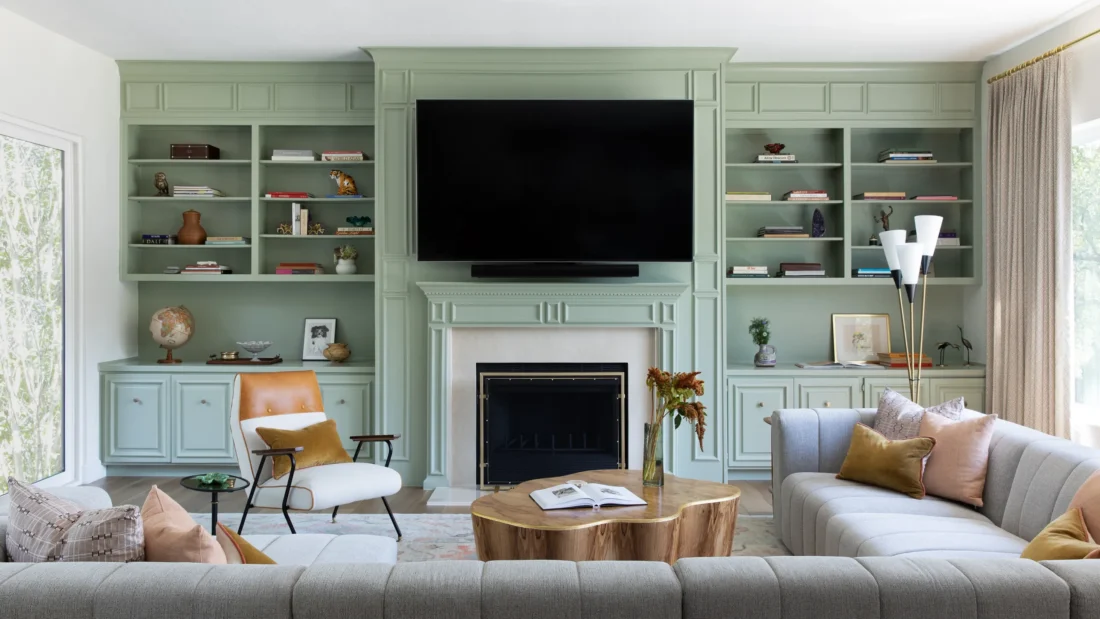
Designing with the seasons in mind isn’t about redecorating four times a year. It’s about creating a flexible, responsive home that adapts to both temperature and temperament. One that supports cozy evenings in winter and airy mornings in summer—without requiring a full overhaul.
From adjusting textures to rethinking lighting and layout, small tweaks can dramatically enhance how your home feels throughout the year.
Spring: Lighten and Reset
Spring is the season of renewal—and your interiors should reflect that same lightness.
Start by decluttering surfaces. Clear off shelves and consoles. Tuck away heavy throws. Remove visual weight. This helps create space for light to move, both metaphorically and literally.
Swap in lighter materials:
- Linen or cotton slipcovers
- Woven or rattan accent chairs
- Open-leg furniture that lets air and light pass through
Color also plays a key role. Pastels, sage greens, and soft whites feel fresh after a heavy winter palette.
Many local homeowners find that visiting a furniture store like What’s New Furniture this time of year provides the right spark of inspiration—especially when looking for small accent pieces that shift a room’s mood without changing its bones.
Summer: Create Breathable Interiors
When the heat rises, our homes should feel like a cool exhale.
Summer design is all about space. Open pathways, furniture that doesn’t crowd, and materials that reflect rather than trap heat. Consider glass, metal, and unfinished woods.
If you typically use heavy rugs or thick upholstery, this is a great time to scale back. Try flatweave textiles or even bare floors if your space allows.
Also, think vertically. Wall-mounted shelves, slim lighting fixtures, and tall mirrors create lift, making the room feel more expansive.
Natural light is at its peak, so embrace sheer curtains or even leave windows bare in low-privacy areas. The idea is to let the outside in—and let your furniture frame the view, not compete with it.
Autumn: Layer in Texture and Warmth
Autumn is a natural moment to ground your interiors.
This season calls for layers—physically and visually. Add a textured rug underfoot. Swap cool cotton for chenille or velvet. Layer throws and cushions. Bring in darker, saturated tones: ochre, rust, forest green, and deep plum all signal the turn inward.
Furniture layout also shifts with autumn. Grouping becomes more important. Consider moving chairs closer together, orienting seating around a fireplace or shared table, or adding ottomans and stools for casual gathering.
As the weather cools, comfort becomes visual. A room that looks cozy often feels cozier too.
If you’re visiting a furniture store in fall, look beyond major purchases. Focus on accent pieces that add emotional warmth—like a rich wood side table, a low reading chair, or a textured bench by the door.
Winter: Nest and Slow Down
Winter design is all about insulation—emotional and physical.
This is when your home should feel like a retreat. Every room, from entryway to bedroom, can benefit from softness and glow. Use layered lighting—table lamps, sconces, and floor lights—to replace harsh overhead glare.
Furniture arrangement also shifts in winter. Rooms benefit from tighter groupings, which create intimacy. Pull seating in from the walls. Add surfaces for books, tea mugs, or candles. Think of the space as a cocoon, wrapping around your routines.
Materials matter most now: faux fur, flannel, wool blends. Even leather, when paired with softness, becomes a powerful seasonal texture.
Stores like What’s New Furniture often highlight seasonal vignettes this time of year—warm setups that demonstrate how to balance function and hibernation-ready aesthetics.
The Role of Adaptable Furniture
The best pieces are the ones that transition smoothly between seasons.
- A modular sectional that reconfigures easily
- A bench that works in an entryway during summer and in a bedroom in winter
- A dining table that expands for holiday meals but stays compact the rest of the year
- Neutral foundational colors that pair well with both cool and warm accessories
When visiting your local furniture store, keep adaptability in mind. Ask: how will this piece look now and later? Will it serve more than one function?
Adaptable pieces become part of your home’s seasonal rhythm—not just its aesthetic.
Seasonal Decor Without the Clutter
Not every seasonal update requires buying new furniture. Sometimes it’s about how you use what you have.
A few simple swaps include:
- Changing pillow covers and blankets seasonally
- Rearranging art to reflect seasonal tone (light landscapes for spring, moodier abstracts for winter)
- Adding seasonal botanicals—fresh greens in spring, dried stems in autumn
- Rotating books and objects on open shelves to reflect changing energy
Seasonal design doesn’t need to be loud. It just needs to respond.
Final Thought
Our homes are living things. They breathe with us, change with us, slow down and speed up depending on time, weather, and energy.
Designing with the seasons in mind is less about being trendy and more about being attuned—to your rhythms, your rituals, and your sense of place.
It invites flexibility, mindfulness, and creativity. It turns design from something static into something interactive.
If you’re looking to make your home feel more alive year-round, consider stopping by a thoughtful furniture store like What’s New Furniture. There, you can find not only long-term investments, but small pieces that bring fresh energy to your space—no matter the season.
Because great design doesn’t stay still. It grows with you.


