A mother fills the dog’s water bowl while her daughter scatters kibble into the food dish, both moving through the familiar rhythm of morning pet care. These small daily acts cultivate compassion, which has a far-reaching impact. Many mothers wonder how they can help stop animal cruelty in their communities. The path begins at home, where children learn empathy through caring for animals and extend it to community action.
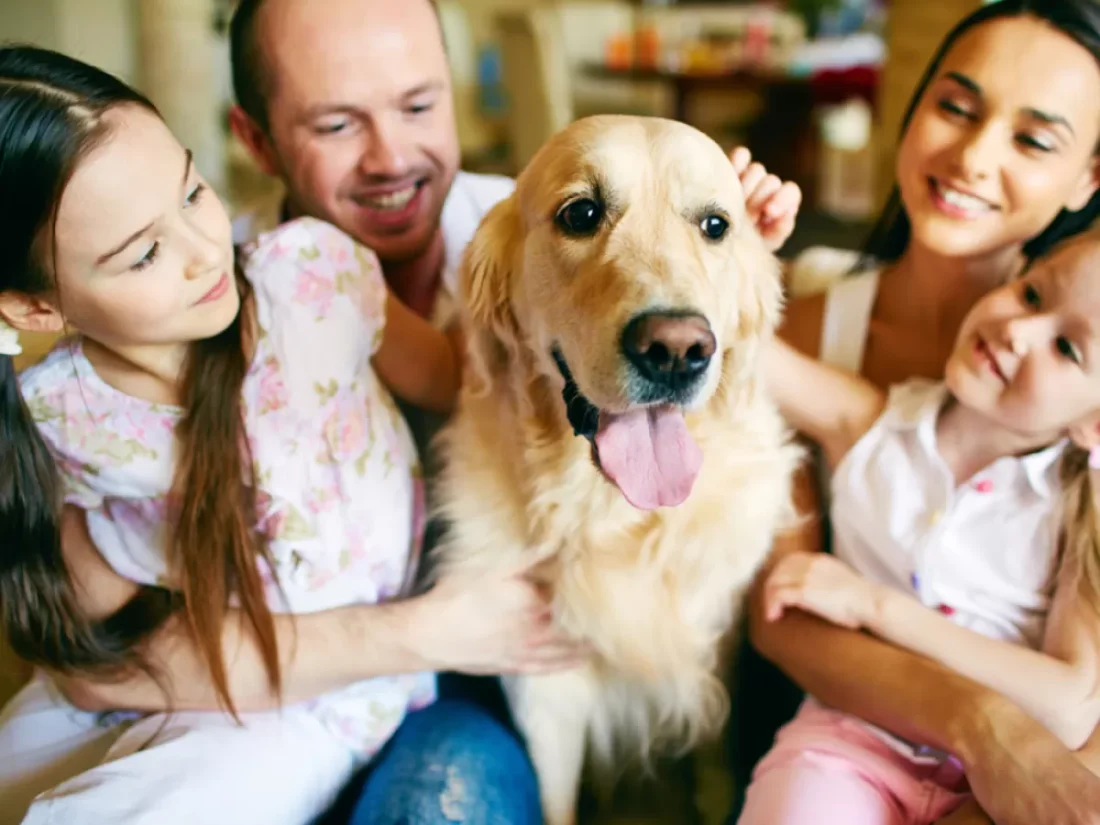
Teaching children empathy through everyday pet care
Daily pet care routines create natural opportunities for children to practice reading another being’s needs and responding with care. When a child notices the water bowl is empty or the dog waits by the door, they understand that animals depend on people. Children develop observation skills, responsibility and genuine compassion in ways that classroom discussions or picture books cannot replicate.
Mothers set the tone through their own calm, patient interactions with family pets. A gentle hand while brushing a nervous cat or a soothing voice during a thunderstorm demonstrates how to approach animals with respect and kindness. Children mirror these examples, building lifelong empathy skills.
Age-appropriate tasks help children develop these skills at every stage:
- Feeding and water refills: Even young children can measure food or carry a water bowl, learning that animals need regular meals and fresh water to stay healthy.
- Gentle handling and petting: Teaching children to approach pets slowly and stroke them softly helps them recognize that animals have boundaries and preferences.
- Walking and outdoor time: Older children can manage leash walks and observe how dogs communicate through body language when they need exercise or feel uncomfortable.
- Grooming assistance: Helping brush a pet’s coat or check for tangles teaches children to notice physical changes that might signal discomfort or health concerns.
- Veterinary care participation: Accompanying parents to vet appointments shows children that animal health requires professional attention and regular checkups.
How a child’s empathy helps families recognize animal cruelty
Families who practice attentive animal care at home become more sensitive to situations in which animals lack the same care. A child who knows what a healthy pet looks like can notice when a neighbor’s dog appears underweight, or a stray cat shows signs of injury.
This awareness becomes especially important since many instances of neglect or abuse go unreported simply because people do not recognize the warning signs.
Animal welfare organizations identify signs of animal cruelty or neglect in two main categories. Physical indicators include visible malnutrition and untreated injuries. Other signs involve embedded collars that have grown into the skin, severe matting or parasites.
Environmental warning signs indicate animals are left without adequate food, water or shelter. Unsafe confinement in spaces too small for movement also signals potential abuse, as do conditions that expose animals to extreme weather without protection.
When families spot these signs, documenting concerns with photos or video from a lawful vantage point creates a record for authorities. Contacting local police, animal control or the nearest society for the prevention of cruelty to animals ensures professionals can investigate. Many systems allow anonymous reporting to remove barriers for families who worry about conflict with neighbors.
Turning neighborhood awareness into action
Individual families who report suspected abuse play a vital role in protecting animals at the community level. Research shows that neighbors often notice the first signs of animal mistreatment, making residents more likely to report suspected abuse than other forms of household violence.
This pattern positions neighborhood awareness as a vital early warning system that can prevent suffering from escalating. Humane World for Animals offers guidance for mothers who want to take their involvement beyond reporting individual cases.
The organization emphasizes that families seeking hands-on ways to help animals should connect with local shelters rather than attempt independent rescue efforts, which pose safety risks and legal complications.
Mothers can help organize or participate in several community-level initiatives:
- Neighborhood watch programs: Coordinating with neighbors to keep an eye out for animals in distress creates a network of care that extends protective attention across multiple households.
- Education events: Hosting informal gatherings where families share information about recognizing animal welfare concerns helps build collective awareness and confidence in taking action.
- Supply drives: Organizing donations of food, blankets and supplies for local shelters addresses immediate needs while connecting families with established rescue organizations.
- Foster networks: Working with shelters to provide temporary homes for animals awaiting adoption offers direct support that increases shelter capacity and saves lives.
Why civic voices matter in stopping animal cruelty
As children grow older and approach voting age, families can expand their impact from neighborhood action to civic participation. Anti-cruelty statutes, neglect penalties and rescue funding exist because of laws passed at local, state and federal levels, so teaching teens that their voices matter prepares them to advocate for stronger sentencing guidelines, shelter funding and expanded investigative authority.
The effectiveness of animal protection legislation depends heavily on public engagement and civic responsibility. Humane World for Animals notes, “The number and strength of the animal-friendly laws we’re able to pass is directly proportionate to the strength of the voting bloc for animals.” When more people make animal welfare a priority in voting and outreach, elected officials introduce and advance legislation.
Voter turnout in off-year elections remains significantly lower than in presidential election years, so those who participate carry greater influence over local and state outcomes. When families encourage teens to register and research before voting, they build that influential bloc and officials pay closer attention when constituents contact legislators about animal protection.
Growing a lifelong commitment to animal welfare
The empathy skills children develop through caring for family pets do not fade as they mature. Instead, these early experiences form the foundation for a lasting sense of responsibility toward animals and a broader understanding of compassion. Families who nurture this growth create adults who notice suffering, speak up when they see injustice and work toward systemic solutions.
Studies examining children’s emotional bonds with pets demonstrate that stronger attachment to companion animals correlates with higher levels of compassionate, caring responses toward others. This reinforces what many mothers observe: the child who learns to respond gently to a pet’s needs often becomes the adult who extends that same care to people and animals in their community.
The relationship between a child and a family pet evolves, deepening as both grow. What begins as simple feeding tasks can develop into family discussions about ethical pet ownership, hands-on rescue work and writing to elected officials about cruelty laws.
Mothers who recognize this trajectory understand that teaching pet care does more than create responsible pet owners. It builds citizens who help end animal cruelty in their communities.
From one compassionate home to a safer community for all
Every family that teaches children to care for animals with empathy and respect expands a growing movement of advocates. These individual efforts connect to form a community where animal suffering becomes harder to ignore and easier to address. Mothers who start by filling a water bowl alongside their children take the first step in a journey from their backyard to ballot boxes, building safer communities where animals receive the protection they deserve through donation and action.


