Gen Alpha’s screen time problem is not starting in middle school. It is starting in toddlerhood.
Analysis from Sociallyin, a social media marketing agency, shows that Gen Alpha’s screen time habits are forming before many children enter school. Tablets, phones, YouTube, TikTok, and influencer-led content are now becoming part of early childhood.
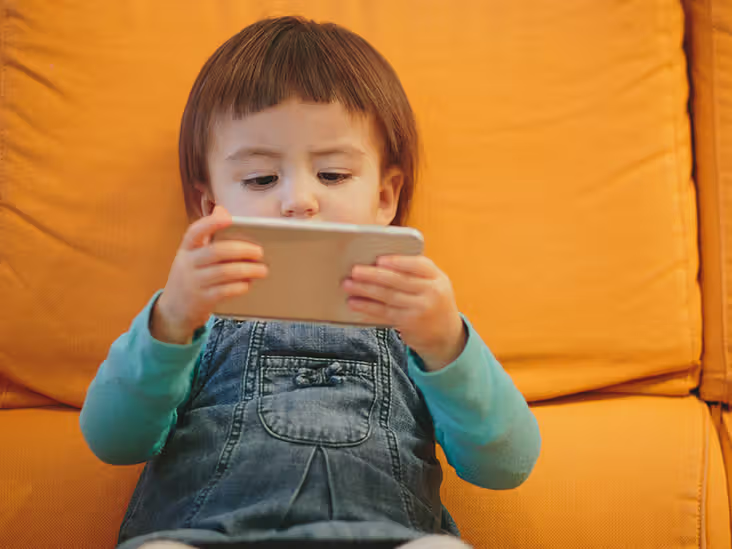
This matters because early screen habits can shape how children understand attention, entertainment, trust, and influence. A toddler using a tablet is not only watching videos. They are entering a digital environment where recommendations, creators, ads, and algorithms can guide what they see next. By the time many Gen Alpha children reach school age, digital routines may already feel normal.
Keith Kakadia, CEO of Sociallyin, says the biggest shift is that children are now forming digital habits before they understand the systems behind them.
“Gen Alpha is not waiting until middle school to become digital. Many are entering platform-driven environments before they can fully understand ads, influencers, or recommendations,” says Kakadia. “That changes the screen time conversation. It is not only about time limits. It is about the kind of digital world children are being introduced to first.”
5 Smarter Ways to Manage Gen Alpha’s First Screens
- Start with the platform, not just the device
Parents often focus on the tablet itself, but the bigger issue is what apps, feeds, and recommendations children are being introduced to first.
- Turn off autoplay when possible
Autoplay can quietly turn one video into a long viewing session. Removing that feature gives parents more control over when screen time starts and ends.
- Check the content path, not just the first video
A child may begin with a harmless video, then be pushed into repetitive or influencer-led content. Parents should review what platforms recommend after the first click.
- Separate learning content from endless scrolling
Not all screen time works the same way. A guided learning video is different from algorithm-driven entertainment designed to keep children watching.
- Create “screen-free defaults” early
Before school age, children are still learning habits. Setting clear screen moments for learning or entertainment can help prevent tablets from becoming the automatic answer to boredom.
“The first screen habits matter because they teach children what digital life is supposed to feel like,” says Keith. “If a child’s earliest experience online is autoplay, endless recommendations, and creator-led influence, that becomes their baseline. Parents do not need to treat every screen as harmful, but they do need to treat the first device as the start of digital education.”
For more insights into how Gen Alpha and other generations are using social media, read Sociallyin’s full report here:


