For decades, weight loss medications stuck to a single target. One pathway. One hormone. But newer treatments work differently; they activate two hormone receptors at once, and the outcomes look meaningfully different from what we’ve gotten used to. If you’ve heard about GLP-1 and GIP medications and wondered what makes stacking them together so effective, understanding the science matters before you commit to treatment.
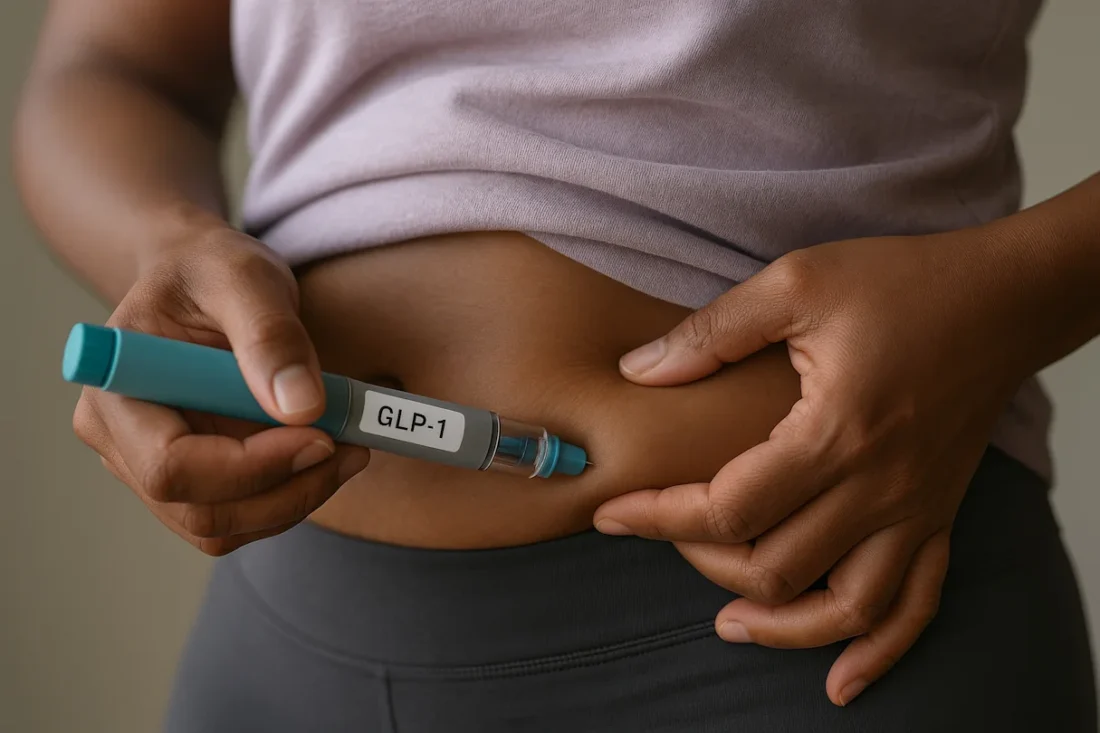
GLP-1 (glucagon-like peptide-1) and GIP (glucose-dependent insulinotropic polypeptide) are both incretin hormones. Your gut releases them after you eat. Each signals the brain and pancreas in its own way. Alone, each produces modest metabolic effects. But put them together? Their combined action on appetite, insulin secretion, and fat storage creates a noticeably stronger response than either achieves on its own. That’s why dual-receptor treatments have grabbed serious attention from clinicians and patients alike.
How GLP-1 and GIP Work Together to Target Fat Loss
Dual-receptor therapy shifts how clinicians approach medically supervised weight management. The compounded GLP-1 + GIP medication targets both incretin receptors simultaneously, giving it a broader and more layered effect than a GLP-1-only agent. The two hormones don’t just add up; they interact. GIP appears to sensitize the GLP-1 receptor; the body responds more strongly to GLP-1 signaling when GIP is also present. This complementary action at the receptor level is what sets dual-agonist therapy apart from older single-pathway treatments. You’re not doubling the dose of one mechanism. You’re activating two distinct but complementary systems at once, and that disrupts the hunger-and-storage cycle that drives weight gain in the first place.
GLP-1’s Role in Appetite and Insulin Control
GLP-1 works through several overlapping mechanisms. First, it slows gastric emptying; food stays in your stomach longer after a meal, so that fullness signal keeps you from eating again too soon. Second, it acts directly on receptors in the hypothalamus, the hunger-control center, which reduces appetite in a deeper way than just feeling full. You’ll notice the urge to eat drops, not just between meals but throughout the day. Third, GLP-1 stimulates insulin release in a glucose-dependent manner, helping the pancreas respond appropriately to blood sugar without the dangerous lows that came with older insulin drugs. For people with insulin resistance, that distinction matters enormously. Better appetite control and improved glucose handling together let the body tap stored fat rather than cycling endlessly through dietary glucose for energy.
GIP’s Contribution to Fat Metabolism
GIP got a bad reputation early on. Early research hinted it might actually boost fat storage, which made some researchers dismiss its usefulness in weight loss. Newer clinical work tells a different story. GIP receptor activation, at the right dose and in the right metabolic state, supports fat breakdown rather than fat accumulation. GIP improves how fat tissue responds to insulin, which cuts down on the inflammatory signaling tied to obesity. It also touches the brain’s reward system in ways that make high-calorie foods less appealing, a completely different appetite pathway than what GLP-1 uses. So you’ve got two hormones hitting different targets. GLP-1 controls hunger signals and gastric motility. GIP modulates fat metabolism and food reward circuits. Together, they create a broader, more durable reduction in calorie intake and fat storage.
Why Dual-Receptor Activation Produces Stronger Weight Loss Results
The clinical picture for combined GLP-1 and GIP therapy outshines single-agent GLP-1 treatment from earlier trials. Randomized controlled trials consistently show a larger percentage of body weight lost over the same time frames. And patients taking dual-agonists also showed bigger improvements in metabolic markers, blood pressure, triglycerides, and blood sugar control, beyond just the scale. Part of that edge comes from the two separate appetite mechanisms described above. But here’s the thing: some of it likely stems from better tolerability, too. GIP receptor activation seems to ease some of the gastrointestinal side effects that make GLP-1-only therapy hard for certain people to stick with. Nausea and vomiting are the top reasons people stop single-agent GLP-1 treatment, so a medication profile that reduces those effects while boosting efficacy is a genuine clinical win. Better tolerability feeds into better adherence, and adherence ranks among the strongest predictors of long-term weight loss success.
The Clinical Evidence Behind Combined Therapy
The SURPASS trial series, published between 2021 and 2023, followed tirzepatide (a dual GLP-1/GIP agonist) across thousands of adults with obesity or type 2 diabetes. At the highest tested dose, participants lost an average of around 20% to 22% of their starting body weight over 72 weeks, per results in the New England Journal of Medicine. That meaningfully beat what comparable GLP-1-only trials had shown. A separate SURMOUNT trial focused on people without diabetes and found similar results; many participants hit weight reductions that only bariatric surgery had previously achieved. These numbers aren’t outliers. The consistency across multiple large trials, run by different teams in different patient populations, gives clinicians real confidence that dual-receptor activation genuinely outperforms GLP-1 alone. The mechanism explains it: two complementary hormonal pathways, each cutting calorie intake and fat storage through distinct routes, produce results neither could reach on its own.
What to Expect From a GLP-1 and GIP Weight Loss Program
Starting dual-receptor treatment begins with a medical consultation to review your health history, current medications, metabolic markers, and weight loss goals. Clinicians screen for contraindications (a personal or family history of medullary thyroid carcinoma, such as having a family member with this condition, is a reason to avoid this class of medication) and determine whether the treatment fits your overall health picture. Dosing typically starts low and creeps up over several weeks or months; that’s titration. The slow ramp prevents side effects and lets your body adjust to the hormone signaling shifts. Most programs run at least 12 to 24 weeks before meaningful results assessment, though many patients continue for a year or longer. Regular monitoring throughout tracks both progress and any side effects that need attention.
Timeline, Dosing, and Monitoring
Dramatic weight loss doesn’t usually hit in the first few weeks. Early treatment focuses on tolerability, letting the dose climb gradually without triggering nausea or digestive trouble. By weeks 8 to 12, many people spot a real appetite drop and see weight moving consistently. The steeper weight loss curve shows up between months 3 and 6, as the dose reaches therapeutic levels and the body’s response stabilizes. Blood work at regular intervals monitors glucose, lipids, and kidney function. Some programs also layer in nutritional guidance and lifestyle check-ins; medication works best when paired with dietary habits that reinforce the metabolic shifts the drug creates. The combination of structured medical oversight and your own behavioral work tends to beat medication alone. Think of the drug as something that makes the effort easier, not something that replaces the effort entirely.
Conclusion
Combining GLP-1 and GIP receptor activation addresses weight gain through two distinct biological pathways, appetite regulation and fat metabolism, that single-agent therapy can’t fully tap. The clinical evidence consistently shows larger, more durable weight loss with dual-receptor treatment versus GLP-1-only options, along with metabolic health improvements that go beyond the scale. Understanding how combining GLP-1 and GIP improves weight loss results comes down to this: two hormones with different but complementary mechanisms working together to reduce hunger, improve fat breakdown, and make treatment more tolerable long-term. If you’re looking into medically supervised options, reviewing the evidence and talking with a qualified clinician is the right place to start.


