Many families cook more food than they can eat, leaving plenty of leftovers. It is also common for a lot of food to be thrown away, creating a lot of unnecessary food waste; however, certain foods may last longer than you think, as long as they are stored properly.
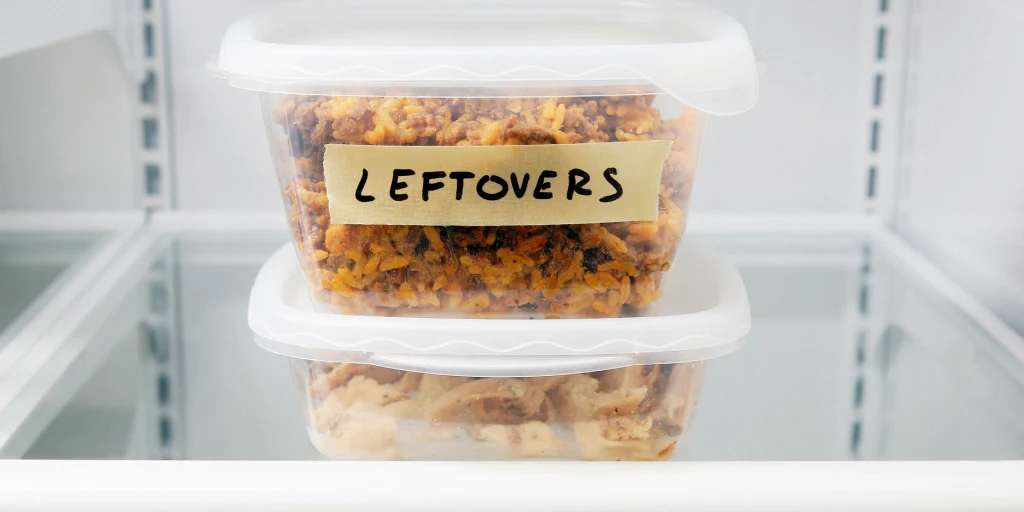
Food waste experts at JS Proputec have revealed how long common foods can last, as well as how to store them properly and how to spot when they have spoiled, to help you make the most out of your meals and save money on food for your family.
Meat
Cooked meat will last safely in the refrigerator for three to four days, as long as it’s cooled quickly and stored properly. After cooking, carve the meat as soon as it cools and store it in airtight containers. If you don’t think you will use the leftovers within a few days, most meats freeze well for two to three months, as long as they are wrapped tightly or stored in freezer bags with as much air removed as possible to prevent freezer burn.
Vegetables
Most cooked vegetables, such as carrots, parsnips, sprouts, and roast potatoes, will last three to four days in the refrigerator. To help them last as long as possible, allow them to cool completely, then store them in sealed containers in the refrigerator. Avoid mixing vegetables with sauces or butter if you plan to keep them longer, as these added fats can shorten their shelf life. Many vegetables can also be frozen for up to 10 to 12 months, however their texture may soften after reheating.
Dairy
Most dairy-based foods, such as milk, cream, cheese, and any dishes containing these as ingredients, should be kept refrigerated at all times and will generally last two to five days once opened or prepared. To help dairy last as long as possible, return it to the refrigerator promptly after use and store it in sealed, airtight containers. Soft cheeses and cream-based dishes spoil more quickly than harder cheeses, so check them carefully before eating. Many dairy-based leftovers can also be frozen for up to one to two months, although their texture may change slightly once thawed.
Anders Rytter Madsen, a spokesperson for JS Proputec, has given expert tips on how to store food to extend its shelf life:
“Many people don’t realize that ‘best before’ dates on food packaging are about quality, not safety, while ‘use by’ dates are the ones that matter for preventing illness. Most foods show clear signs when they’ve spoiled, such as changes in their smell, appearance or texture, so it is important to check the food yourself. Dates can be very conservative, and many foods remain perfectly safe for days after their stated expiration, meaning they may be able to be kept for longer than you think.
“The way food is arranged in your refrigerator has a huge impact on how long it remains safe to eat. The bottom shelf is the coldest area and best for storing meats and highly perishable items, whereas the door, which experiences temperature fluctuations every time you open it, should only hold condiments and drinks, never dairy or meats.
“Using clear containers to store leftovers in the refrigerator is also beneficial, allowing you to see what’s inside without opening them repeatedly, which introduces warm air and contaminants.
“Your refrigerator temperature should be set at or below 40°F at all times to maximize food safety. A refrigerator thermometer is a great, inexpensive way to confirm your appliance is maintaining safe temperatures, allowing you to extend the life of your food as long as possible.
“If you don’t think you have enough time to eat your leftovers before they spoil, you can freeze them, which extends their life from days to months, as long as it is done properly. When freezing leftovers, cool them completely first, then portion them into meal-sized amounts in airtight containers or freezer bags. Removing as much air as possible prevents freezer burn and maintains quality.
“Before freezing, label any containers with the contents and the date to help keep track of how long food items have been frozen. When you take them out of the freezer, it is also important to always thaw frozen food in the refrigerator, never at room temperature, to prevent bacteria growth.
“Taking a little extra care when storing your leftovers can make all the difference, and hopefully, these tips will help people make the most out of their meals.”


