An outdoor fireplace brings warmth and charm to a garden, creating a gathering point on cool evenings. To keep it both safe and inviting, it needs consistent care that preserves its condition over time.
With simple habits and seasonal attention, it remains a lasting feature of outdoor life.
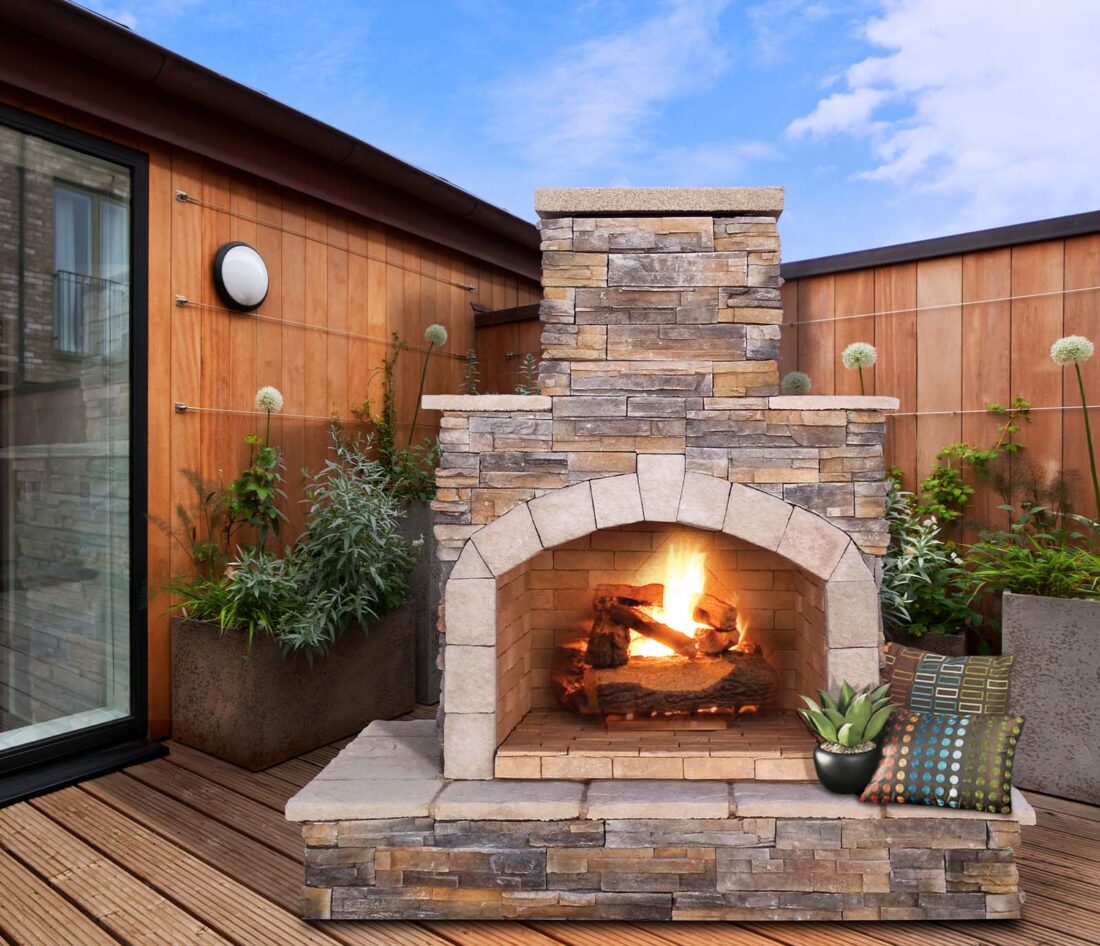
Begin with a Careful Assessment
Every good routine starts with observation, and caring for a fireplace is no different.
Take a slow walk around the structure, looking closely at its surface and joints. Loose bricks, flaking mortar, or hairline cracks are easy to miss if you rush, yet spotting them early prevents larger problems later.
Dust, fallen leaves and even tiny nests can build up in corners, so give those spaces equal attention.
Once you’ve taken that first look, it helps to keep a small notebook nearby. By jotting down what you see, you create a simple record that tracks changes over time. At first, it feels unnecessary, yet the benefit becomes clear when you can compare notes months later.
The more familiar you are with the condition of your fireplace, the quicker you’ll notice when something is amiss, which means repairs can be handled before they escalate.
Gather the Right Tools Beforehand
Preparation makes all the difference. Cleaning a fireplace is far smoother when the necessary items are ready before you begin.
At the very least, you’ll need a wire brush, a bucket, gloves, and protective goggles. An ash vacuum is invaluable, designed specifically to cope with fine particles that would clog or damage standard machines.
For exterior work, add a soft-bristled brush and a gentle cleaning agent to safeguard surfaces from harsh chemicals.
Of course, some stains cling more stubbornly, and stronger solutions or specialist tools may be required. At such times, calling on a professional pressure washing service can save both effort and unforeseen risk.
Having everything organised in advance means you can work methodically, completing each stage without interruptions. In practice, this preparation is what allows the cleaning process to feel steady rather than rushed.
Step Through the Cleaning Process
With equipment ready, the work begins. Start inside by removing old ash. Scoop out larger piles and use the ash vacuum to lift finer dust.
Work carefully, as loose ash can easily scatter and create a mess. Once cleared, turn your attention to the interior walls. With a wire brush, scrub in steady circular motions, giving particular attention to corners where soot tends to gather.
This first pass loosens deposits and prepares the surface for deeper treatment.
When you encounter patches that resist brushing, apply a cleaner designed for fireplace use. Allow the solution to rest for the recommended time before scrubbing gently. Avoid harsh force, as aggressive action can scar delicate brick or stone.
For the exterior, a bucket of warm water mixed with a pH-balanced cleaner is usually enough. Move steadily across the surface, rinsing as you go, and finish with fresh water to remove all traces of residue.
As you progress, remember the decorative details. Carved stones, delicate tiles, or metal fittings need softer tools and a lighter pressure. These features often define the character of the fireplace, so preserving them is worth the added patience.
In turn, this careful attention makes the overall result more consistent and far more rewarding.
Plan Around the Seasons
Outdoor fireplaces face everything the weather brings, so it helps to shape maintenance around the seasons.
In summer, a light wash prevents dust and pollen from settling too thickly, while autumn calls for more regular checks, as rain and falling leaves can clog vents and hold in moisture.
Through winter, frost protection becomes the priority, with covers guarding against rain and ash cleared often to keep the structure sound.
Spring offers the chance for a thorough reset. Washing away soot from winter fires, resealing surfaces and clearing debris prepares the fireplace for use as days grow longer.
In the UK, this seasonal rhythm is especially valuable. Persistent autumn rain can leave brick and stone damp, and if frost follows, mortar may crack. In spring, pollen and airborne dust quickly dull surfaces if ignored, while summer upkeep keeps vents open during drier spells.
It’s also worth noting that in some UK Smoke Control Areas, outdoor fireplaces are permitted but may face restrictions if connected to a roof chimney.
In those cases, ensuring the right fuel is used becomes part of seasonal care, helping the fireplace remain both compliant and dependable throughout the year.
Protect and Prevent for the Long Term
Once the fireplace is clean, the focus should shift towards keeping it protected.
A quality sealant forms a barrier against water, slowing the wear of weather and helping mortar and stone last longer.
Reapply it as recommended to keep the shield effective, and consider a fitted cover for times when the fireplace stands unused, as this presents added defence against the elements.
Protection, however, isn’t only about the exterior. The choice of fuel makes a clear difference. Well-seasoned hardwood burns far cleaner than softwood, producing less smoke and leaving fewer deposits.
Clearing away ashes before they absorb moisture prevents unpleasant smells and avoids surface damage.
With these habits in place, care becomes less about scrubbing away problems and more about preventing them altogether.
Keeping a simple maintenance log adds another layer of assurance. By noting what has been done and when, patterns begin to emerge, showing which methods prove most effective and highlighting any recurring issues.
Over time, this steady record builds confidence, turning upkeep into a predictable rhythm rather than a series of surprises.
That said, even with good habits, problems can still appear. White, crystalline marks usually point to moisture trapped within the surface, calling for careful cleaning and better ventilation.
Rust stains should be dealt with promptly using the right treatments before they have a chance to spread. And if mould takes hold, swift action with thorough cleaning is essential to stop it from worsening.
Conclusion
Looked after with consistency, a fireplace can stand as a timeless part of the garden, bringing light and comfort through the changing seasons. Simple routines of cleaning and protection keep it dependable and inviting.
In this way, it continues to draw people together and add warmth to outdoor living well into the future.


