Not all “quiet” HVAC systems live up to the promise. True low-noise performance comes from smart engineering, not marketing claims, delivering cool, consistent comfort without the background buzz.
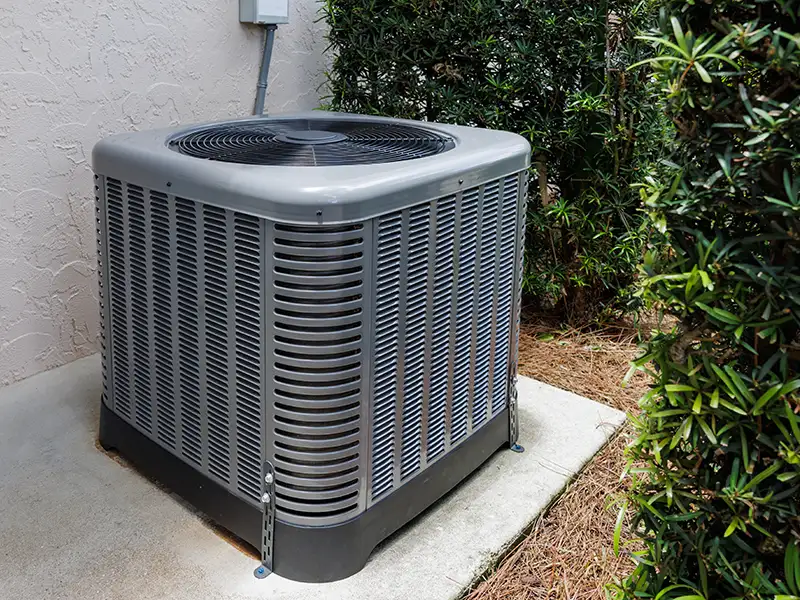
HVAC Noise Explained: What Makes a System Truly Quiet
A “low-noise” HVAC system is designed to operate smoothly without sharp vibrations, turbulence, or compressor rattles that amplify sound. HVAC noise is measured in decibels (dB), but because the decibel scale is logarithmic, a 10 dB difference sounds roughly twice as loud to the human ear.
For context:
Whisper: ~30 dB
Normal conversation: ~60 dB
Standard HVAC outdoor unit: 70–80 dB
Low-noise models: 50–60 dB
Top systems use sound-dampening insulation, rubber compressor mounts, and precision-balanced fans to cut vibration at the source rather than just masking it.
A truly low-noise HVAC system isn’t just “quiet”, it’s predictably quiet across all modes of operation. Many systems advertise low decibels, but that number’s often taken at minimum speed, not full load. The real test is consistency: does it stay quiet when it’s 95°F outside and the compressor’s working hard?
The more meaningful measure for homeowners is perceived sound level, how disruptive it feels indoors. A 55 dB quiet air conditioner installed next to a window can seem louder than a 60 dB unit positioned 10 feet away with proper airflow clearance. Placement and design matter as much as the rating itself.
Why HVAC Noise Happens and How Design Choices Affect It
It’s not just about brand, HVAC noise levels often come down to airflow design, compressor technology, and installation quality.
Older single-speed compressors start and stop abruptly, causing that “kick” or hum, while variable-speed and inverter compressors ramp up gradually for smoother, quieter operation.
Aerodynamically curved fan blades reduce turbulence, while cheaper stamped-metal ones “chop” the air and create that helicopter sound. The result is increased air conditioner noise and less efficiency.
Thinner metal casings vibrate; thicker, insulated panels absorb sound. Cheaper systems also skip vibration isolation mounts, like running a washing machine without rubber feet, you’ll feel every shake. That’s a big contributor to AC noise.
Even the quietest unit will be noisy if mounted on an unlevel pad or near echo-prone corners. Rigid refrigerant lines, uninsulated wall penetrations, or loose return vents can all amplify sound like a speaker box.
Noise usually reveals where the manufacturer cut corners, or where the installer did. It’s rarely a single problem, more often, the sum of small oversights causing furnace noise, AC noise, or even heat pump noise all at once.
How to Balance Quiet Performance and Cooling Power in a Quiet Air Conditioner
In older systems, yes, quieter often meant weaker airflow. But with modern inverter technology, that trade-off is nearly gone.
Today’s quiet AC systems use variable-speed compressors and fans that automatically adjust power based on demand. When full cooling isn’t needed, the system runs at low capacity, quieter and more efficient. When outdoor temperatures rise sharply, it can still ramp up to full performance.
The real balance comes from smart modulation, not brute force. A powerful, efficient system still moves a lot of air, it just does it with fewer hard transitions. That’s what makes a low noise air conditioner feel steady and consistent.
The trick isn’t lowering volume; it’s controlling rhythm. Systems that can modulate keep airflow continuous instead of cycling between on/off blasts. That’s why rooms feel cooler and quieter, because the comfort is stable.
Efficiency Ratings That Matter for Low HVAC Noise Systems
If quiet operation and efficiency are both priorities, look for key performance and design metrics.
SEER2 (Seasonal Energy Efficiency Ratio 2) measures cooling efficiency under new national standards. Aim for SEER2 16 or higher for optimal performance and quieter operation, high-efficiency models often include better sound insulation and variable-speed motors that reduce AC noise level spikes.
ENERGY STAR Certification means the system meets federal benchmarks for both energy savings and HVAC noise reduction.
For heat pumps, a higher HSPF2 (Heating Seasonal Performance Factor 2, above 8) indicates smoother, quieter heating cycles. A quiet heat pump with high efficiency runs with less vibration and lower overall heat pump noise, but only if heat pump installation is done correctly to minimize mechanical stress and airflow resistance.
Compressor type also matters, inverter-driven scroll compressors in top-tier models run smoother and quieter than standard reciprocating types. ECM (electronically commutated) fan motors operate whisper-smooth and use up to 75% less electricity than older PSC motors.
Finally, check sound ratings: “sound power level” is total noise generated, while “sound pressure” is what you actually hear in the room. Smart buyers ask for both, especially when comparing quiet furnace models or low noise air conditioners.
How Inverter Technology Reduces HVAC Noise and Improves Efficiency
Traditional systems run full blast or not at all. Inverter compressors use DC-driven electronics to continuously adjust their speed, matching output to demand in real time. That means no loud start-up or shutdown noises, fewer temperature swings, and up to 30–40% better energy efficiency.
Variable-speed fans complement this by circulating air gently and continuously, avoiding the metallic “click” and rush of airflow that make traditional systems noticeable. Together, these technologies create a steady-state comfort, whisper-quiet, with fewer spikes in both HVAC noise and power usage.
Think of it like driving: constant highway cruising is smoother and quieter than stop-and-go city traffic. That’s what inverter systems do for your HVAC and your quiet air conditioner performance.
Top HVAC Noise–Reducing Models for Efficient, Quiet Comfort
As of 2025, several systems consistently earn high marks for both quietness and efficiency:
Trane XV20i (as low as 55 dB, SEER2 up to 21.5), Carrier Infinity 26 (down to 51 dB with Greenspeed Intelligence for real-time modulation), Lennox SL28XCV (ultra-silent up to 58 dB, SEER2 up to 28), and Daikin Fit and Mitsubishi Electric models (great for ductless or space-limited homes, offering sub-50 dB indoor operation).
These brands balance acoustic design, like vibration isolation and aerodynamic airflow, with advanced inverter controls. Trane and Lennox use floating compressor mounts to cut vibration nearly in half, while Mitsubishi and Daikin lead in inverter precision, adjusting output in tiny increments instead of big jumps. Carrier’s Infinity line applies aerospace-inspired fan blade geometry to reduce turbulence.
The pattern is clear: noise reduction comes from engineering discipline, not just marketing labels.
How Installation and Maintenance Affect HVAC Noise Levels Over Time
As of 2025, several systems consistently earn high marks for both quietness and efficiency:
Trane XV20i (as low as 55 dB, SEER2 up to 21.5), Carrier Infinity 26 (down to 51 dB with Greenspeed Intelligence for real-time modulation), Lennox SL28XCV (ultra-silent up to 58 dB, SEER2 up to 28), and Daikin Fit and Mitsubishi Electric models (great for ductless or space-limited homes, offering sub-50 dB indoor operation).
These brands balance acoustic design, like vibration isolation and aerodynamic airflow, with advanced inverter controls. Trane and Lennox use floating compressor mounts to cut vibration nearly in half, while Mitsubishi and Daikin lead in inverter precision, adjusting output in tiny increments instead of big jumps. Carrier’s Infinity line applies aerospace-inspired fan blade geometry to reduce turbulence.
Regular air conditioning service, including coil cleaning and airflow checks, helps maintain quiet operation and prevent vibration buildup, even in these high-end systems.
The pattern is clear: noise reduction comes from engineering discipline, not just marketing labels. These quiet heat pump and quiet AC systems prove that high performance doesn’t have to mean high HVAC noise levels.
Simple Ways to Lower HVAC Noise Without Replacing Your System
You can often make big improvements with small steps. Add vibration isolation pads under outdoor units, tighten panels and ducts to eliminate metal chatter, and use insulated duct wrap to absorb sound along longer runs. Installing acoustic fencing or shrub barriers can also help, just keep airflow clearance.
Even small adjustments like switching the thermostat fan setting from “Auto” to “On” can maintain steadier airflow and reduce noisy starts and stops.
Skip the internet “noise blanket” gimmicks. Focus on fixes that actually change acoustics or vibration paths: re-level the outdoor unit (even a few millimeters off can amplify vibration), add flexible line connectors to decouple the compressor from the house structure, and replace metal return grilles with acoustically lined ones.
If airflow noise travels through ducts, a sound attenuator or duct silencer can make a big difference. These pro-level solutions cost far less than a new system but deliver noticeable relief for HVAC noise and furnace noise alike.
Best HVAC Options for Low HVAC Noise Levels Across Different Home Types
Apartments or condos: Ductless mini-split systems are ideal, ultra-quiet (around 20 dB indoors), energy-efficient, and avoid duct noise entirely. They’re also the best low noise air conditioner choice for tight urban spaces.
Small single-family or townhomes: Compact heat pumps with variable-speed compressors, like Daikin Fit, offer quiet, efficient comfort and fit well in tight spaces. A quiet heat pump here can cut overall heat pump noise level dramatically.
Open layouts or high ceilings: Zoned systems or multi-speed air handlers deliver even airflow without the roar of oversized units. A quiet furnace or quiet AC system makes a major difference in these echo-prone spaces.
The key is proper system sizing, oversized units cool quickly but cycle noisily, while right-sized systems run longer, quieter, and more efficiently. Layout matters more than horsepower: a perfectly placed, properly sized system at 70% capacity will always feel cooler and quieter than one constantly throttling down.
FAQ: HVAC Noise
How To Reduce Ac Noise?
Your AC shouldn’t sound like it’s working overtime. The trick isn’t just to muffle it, it’s to tune it. Clear space around the outdoor unit so air can move freely, then check if it’s sitting level. A tilted base amplifies vibration like a drum. Add a rubber mat under the condenser, not foam or cardboard, those trap moisture. Finally, if the fan motor whines, swap it for a variable-speed model. It’s the quietest upgrade you can make for AC noise reduction.
How To Quiet Hvac Noise?
Air noise is usually a design flaw, not a dirt problem. If your vents howl, it’s because the air’s being forced through too-small openings. Adding one more return vent or a larger filter slot quiets the system more than any sound blanket. For duct thumps, try flexible connectors where metal meets the furnace, it stops that “metal heartbeat” entirely and lowers furnace noise.
Is It Normal For A Heat Pump To Make Noise?
Yes`and every sound has a meaning. A soft whoosh equals air movement. A low hum equals compressor doing its job. A quick hiss or “pshhh” during winter defrost equals completely normal. What’s not normal is a long, metallic groan, that’s a fan motor struggling to start. Think of your quiet heat pump like a hybrid car: some quiet whirs are expected, but grinding isn’t. Monitor your heat pump noise level for changes over time.
Do Furnaces Make Noise?
They all do, but the pattern matters. A steady hum? Normal. A one-time “boom”? Gas igniting late. Rhythmic rattles? Loose panels. If you can predict the noise before it happens, it’s probably fine. If it surprises you, it’s not. Consistent monitoring of furnace noise levels helps catch issues early.


