Martial arts used to conjure up images of action movies, trophies, and high kicks in a dimly lit gym. Today, it is quietly transforming into something much more relatable for families and working adults. Across communities, parents, professionals, and even HR departments are seeing martial arts less as a hobby and more as a toolkit for navigating a complicated, high-pressure world.
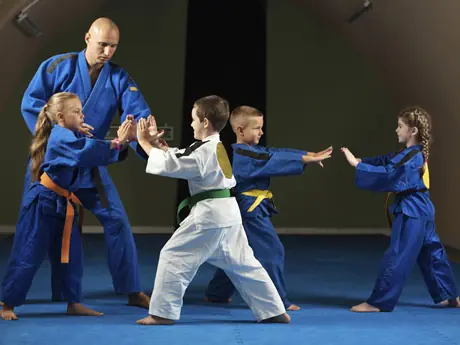
Instead of asking, “How fast can you punch?” the better question has become, “How do you handle stress, conflict, and responsibility when life gets messy?”
Mindset Over Muscle
Modern martial arts schools are putting far more emphasis on character than on combat. Yes, students still learn blocks, strikes, and forms, but the real focus is on what happens in their heads and hearts.
In a culture that often rewards instant gratification, martial arts teaches patience and long term effort. Kids and adults learn to:
• Show up consistently, even when they are tired or frustrated.
• Take responsibility for their mistakes instead of blaming others.
• Respect boundaries—physical, emotional, and social.
These are the same qualities employers now highlight in codes of conduct and ethics training: self-control, respect, and accountability. When a child learns to bow to a partner, wait their turn, and listen to instructions, they are practicing the same mindset that later helps them honor policies, deadlines, and workplace expectations.
Wellness, Not Just Workout
Burnout is no longer a buzzword; it is a reality for many households. Between demanding jobs, school pressures, and the mental load of managing a family, stress can feel like a constant background noise. Martial arts is stepping into this space as a structured way to care for both body and mind.
Classes incorporate focused breathing, controlled movement, and clear routines that give people a break from multitasking. Instead of scrolling a phone or zoning out, students are fully present in the moment—kicking, stretching, or practicing a form. The workout is real, but so is the mental reset.
Parents who watch from the sidelines often see more than just improved fitness. They notice their kids sleeping better, managing frustration more calmly, and recovering more quickly from setbacks. These are the same wellness outcomes companies chase when they talk about “resilience” and “emotional intelligence” in the workplace.
Ethics on the Mat
Current conversations about workplace ethics and organizational accountability are not confined to corporate boardrooms. They trickle down into homes, schools, and yes, dojos. Many instructors now talk openly about issues that mirror what adults encounter at work:
• What does it mean to use power responsibly?
• How do you speak up when something feels wrong?
• How do you treat people who are weaker, newer, or different from you?
On the mat, students learn that strength is never a license to intimidate, and that skill must be paired with humility and care for others. This is a powerful counter-message in a world where “winning at all costs” can sometimes overshadow integrity.
For professionals, especially those exploring adult taekwondo or similar disciplines, the training can feel like a physical embodiment of ethics and compliance: you are given explicit rules, held to them consistently, and reminded that your choices affect the safety and trust of the whole group.
A Culture of Accountability Kids Can See
Children learn far more from what adults model than from what adults say. One reason martial arts fits so well into today’s conversations about accountability is that students see consequences play out in real time, fairly and consistently.
If someone breaks a rule, they might have to do extra conditioning or lose a turn during a drill. If they show leadership—helping a nervous new student, for example—they might be asked to demonstrate in front of the class. Expectations are clear, and follow-through is visible.
This mirrors the direction many organizations are trying to move in:
• Transparent rules instead of confusing, unwritten norms.
• Real consequences for harmful behavior.
• Recognition for doing the right thing, not just the flashy thing.
For families, this environment reinforces what they hope to build at home: a sense that actions matter, apologies are meaningful, and growth is always possible.
Why This Shift Matters for Families
The rebranding of martial arts is less about changing uniforms and more about changing narratives. It is no longer just for kids who “need discipline” or adults who “want to fight.” It is for anyone who wants a practical way to develop focus, emotional balance, and a strong inner compass.
In a world where children regularly hear about scandals, misconduct, and public apologies, martial arts can offer a grounded, everyday experience of what respect and responsibility actually look like. Parents are not just signing up for kicks and punches. They are investing in a space where their kids—and often they themselves—can practice the kind of ethics and accountability that will serve them at school, at work, and in every relationship they build.
Micah Martin is the Founder and CEO of Venture Martial Arts and Co-Founder of the National Martial Arts Alliance. A 5th Degree Black Belt with 20 years of experience, he turned a shuttered club into one of the most extensive Taekwondo programs in the country. Micah mentors young instructors to become leaders and aims to expand Venture Martial Arts in the Denver area, empowering students with confidence, respect, discipline, and focus.


