Ohio homeowners may be asked for roof photos or an exterior inspection within the first 30–60 days of a new policy, and roof age can affect pricing and claim questions. A 15- to 25-year-old shingle roof can be treated very differently than a newer one, even when no leak is present. Before renewing or switching carriers, put the roof facts in one place: install date evidence, repair history, and clear photos of valleys, flashing, vents, and other key areas.
Missing paperwork or unclear policy wording can turn a storm claim into a depreciation dispute or a partial payout that does not cover replacement. Percentage-based wind or hail deductibles can raise out-of-pocket costs by thousands, and some policies limit older roofs to actual cash value. Preexisting wear found in underwriting photos can also trigger repair requests or coverage restrictions, so roof records, payout terms, and deductible details should be reviewed together before comparing options.
Roof Age Documentation
County permit records, closing documents, and old invoices can pin down an install year in a way a rough estimate cannot. Warranty paperwork, shingle brand and line, and repair receipts help connect that date to what is actually on the roof today. When records are incomplete, a roofing company inspection can document visible condition and compare ridge cap style, starter course, and flashing type against the paperwork.
Dated photos add context that underwriting notes can miss, especially when taken close-up and wide from the same spots. Capture shingles, step flashing, valleys, pipe boots, vents, gutters, and any stained decking or ceiling areas that suggest older moisture. Label images by slope and feature so an adjuster can tell what existed before the policy start date, which reduces guesswork when a later storm report comes in.
Policy Payout Terms
Replacement cost and actual cash value create different roof-claim outcomes because depreciation can reduce payment on older asphalt shingles. Review the declarations page, roof endorsement, and claim settlement terms before a storm occurs. Confirm how depreciation is calculated, which documents are needed to recover withheld funds, and how long repairs can take after payment is issued.
Age-based coverage changes can appear in Ohio roof endorsements, making policy wording more important than premium amount. Ask how cosmetic hail exclusions, discontinued shingles, slope matching, and material availability affect payment. Written answers from the agent or carrier help homeowners compare policies and avoid confusion if damage appears after wind, hail, or debris hits the roof.
Storm Deductible Details
Wind and hail deductibles sometimes appear separately from the all-peril amount listed in policy forms or endorsements. Percentage-based deductibles use the dwelling limit instead of a flat dollar amount. Match each deductible to the covered structure and confirm if gutters, siding, or related exterior items fall under the same storm loss category during claim review.
Claim costs increase when one storm damages multiple exterior areas. Ask how roof, gutters, siding, detached garage, and porch damage are grouped, and if separate limits or deductibles apply. Matching rules across slopes, elevations, and building sections should also be confirmed before approving contractor scope or relying on a preliminary repair estimate from inspection notes.
Preexisting Roof Issues
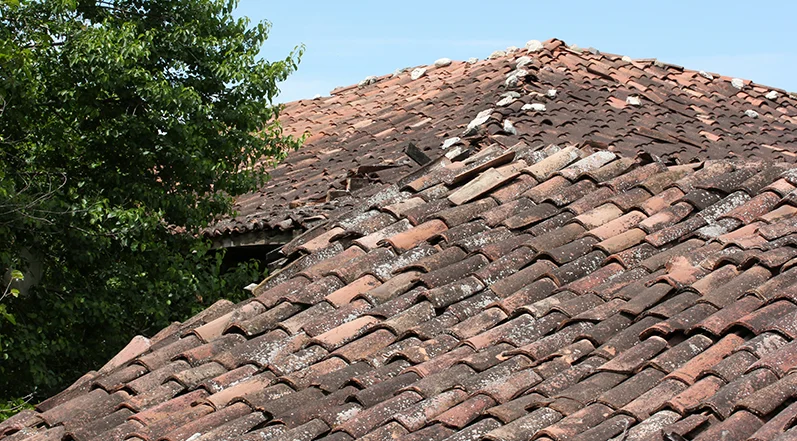
Granule loss at the eaves, lifted shingle corners, and small gaps around penetrations tend to stand out in carrier photo sets, even when water has not shown up indoors. Loose shingles, cracked pipe boots, missing flashing pieces, exposed nail heads, soft decking, and open sealant lines are the types of items that get flagged during underwriting and can lead to a repair request. A roofer can document each spot, correct it to manufacturer details, and note what materials were used so the roof condition is easy to explain.
Underwriting photos often become the “before” reference point if a storm claim is filed months later, so clear documentation matters. After repairs, take photos from the same angles and distances as the original pictures, including close-ups of the fix and a wider view showing its location on the slope. Keep dates tied to invoices and job notes so the timeline matches the policy start and any follow-up inspection window. Store the set with your roof file so it’s ready when a carrier asks for proof of prior condition.
Inspection Timing
An inspection report dated close to a policy change carries more weight than a set of photos pulled from a phone months later. Scheduling the check before switching carriers, renewing coverage, or submitting roof images helps tie observed conditions to a clear date range. The roofer should note roof type, slope count, soft spots, flashing condition, and any prior repairs, then attach job-site photos that match the written notes so the file reads the same way the roof looks.
Post-storm checks matter because cause is easier to document right after hail hits, heavy wind lifts tabs, ice buildup forces water under edges, or a falling branch strikes a slope. Ask for photos that show impact marks, crease lines, displaced components, and related gutter or fascia damage, plus overview shots that establish location. Label each image by area such as front slope, rear valley, chimney flashing, garage roof, or west gutter line to keep the record usable during claim review.
Older shingles are not automatically an insurance problem, but weak records can make underwriting reviews and storm claims harder to resolve. Keep install proof, repair invoices, dated photos, inspection notes, payout terms, and wind or hail deductible details in one place. Address visible wear, loose shingles, failed sealant, damaged flashing, soft decking, and worn pipe boots before carrier photos create repair questions. Schedule inspections near renewals, policy changes, and major storms so the roof condition is tied to a clear timeline. When roof age, damage, or policy language is unclear, a local roofing contractor inspection can document conditions and support the next step.


