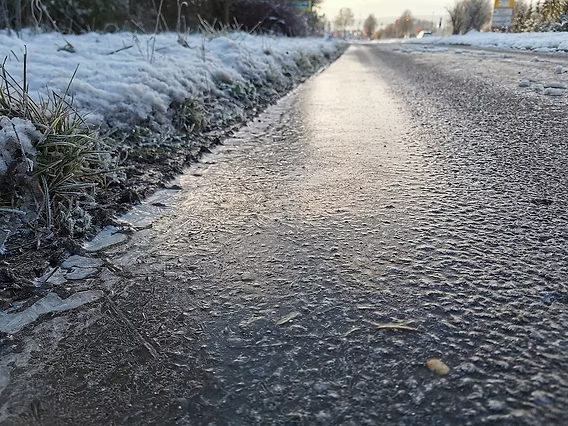
The most deceptive winter surface is not always the one covered in snow. Sometimes it is pavement that looks merely wet.
For commercial snow removal Delta BC, that distinction matters because a winter service plan cannot stop at accumulation. Rain, slush, melting snow and falling temperatures can move a property through several different surface conditions within the same event.
A parking lot may begin wet, receive a period of snow, return to slush and then face colder overnight temperatures. The contractor is no longer dealing with one weather condition. The site is moving through a sequence.
That sequence changes what needs attention.
The City’s winter guidance reflects the same basic reality. Its current preparedness information tells property owners to keep catch basins clear so melting snow can enter the storm system, specifically noting that doing so can reduce both flooding and street icing.
That is the overlooked coastal winter question: not simply where snow will accumulate, but where the water will be several hours later.
Commercial ice management in Richmond
The same principle becomes important around large paved commercial corridors where airport-corridor commercial access refreeze monitoring may involve much more than watching snowfall totals.
Vehicle entrances, loading areas and pedestrian crossings collect moisture from several sources. Tires bring slush into the property. Snow piles begin draining during a mild period. Downspouts add water to pavement. Traffic spreads that moisture farther than expected.
If temperatures remain safely above freezing, much of that is simply wet pavement.
If they fall, the operating condition changes.
A strong winter plan therefore watches transitions rather than treating every weather event as “snow” or “no snow.”
That distinction is particularly important for facilities operating early in the morning. A surface that appeared manageable at the end of the previous shift may need another inspection before employees, deliveries or customers begin arriving.
The Storm Can End Before the Ice Begins
Snowfall attracts attention because people can see it happening.
Refreeze is quieter.
Meltwater Moves the Risk
After plowing, accumulation has not vanished. It has been relocated.
A snow pile beside an open parking area may begin releasing water during a mild afternoon. That water follows pavement grade toward drains, low spots and curb lines.
The area that eventually freezes may therefore be nowhere near the original pile.
A contractor planning only around the location of the snow can miss the later hazard.
Snow-storage decisions should instead consider the full melt path: where water leaves the pile, what surfaces it crosses and whether those surfaces are important to pedestrian or vehicle access.
Slush Creates Its Own Timeline
Slush deserves similar attention.
Vehicles can spread it across entrances and traffic lanes, leaving a thin layer of moisture after the bulk material has been displaced.
That residue can be easy to overlook because the property appears largely clear.
But winter service is not a beauty contest. A nearly bare surface that is losing traction may deserve more attention than a visibly snowy area nobody needs to use.
This is where inspection becomes as important as plowing.
Drainage and Snow-Storage Planning
Every commercial winter plan should identify drainage before the first significant event.
Start with catch basins and pavement depressions. Then mark downspouts, curb transitions, snow-storage zones and places where water has pooled after previous rainstorms.
The City’s winter program provides a useful operational clue here as well. Crews monitor both forecasts and road conditions for hazards, and significant commercial and industrial routes remain within its priority system while poor conditions persist.
Private properties benefit from the same mindset: conditions should determine the response.
For a facility manager, that can mean identifying the entrance that repeatedly receives meltwater, the parking aisle that holds shallow puddles, or the pedestrian route sitting downhill from a snow-storage location.
The goal is not to eliminate every drop of water.
It is to know which water paths can become operational problems when temperatures change.
“Clear” Is a Snapshot, Not a Guarantee
One of the weakest phrases in winter maintenance is “the property was already cleared.”
Cleared when?
Reinspect the Surfaces That Can Change
A morning plow visit describes one point in time.
Later sunshine may start melting stored snow. Afternoon traffic may redistribute moisture. Evening temperatures may then fall.
The surfaces most worth revisiting are not necessarily the largest ones. They are the ones where changing traction has the greatest consequence: primary entrances, loading approaches, accessible routes, stairs and heavily travelled pedestrian connections.
WorkSafeBC notes that slips occur when sufficient traction is lost between footwear and the walking surface and specifically identifies water and ice as potential causes. Its current winter guidance also recommends proactive de-icing of walkways when icy conditions develop.
Document the Transition
Follow-up service should also leave a record.
Useful notes might show that runoff was observed near an entrance, a drainage point was inspected, ice control was applied or another visit was scheduled because temperatures were continuing to decline.
That turns winter maintenance from a series of isolated visits into a timeline.
When conditions change after the storm, the timeline matters.
The Hidden Risk Is the Second Weather Event
The strongest commercial snow program does not assume the job finishes when precipitation does.
In a coastal winter pattern, the property may move from rain to slush, from snow to meltwater, or from apparently clear pavement to overnight ice. Each transition can require a different response.
This is where Limitless Snow Removal’s broader operating model becomes relevant.
Fast, reliable clearing addresses accumulation while modern equipment supports efficient work across commercial lots and access routes. Twenty-four-hour service matters because refreeze does not wait for normal business hours. Safety-focused ice control addresses traction once the issue is no longer primarily snow depth.
Scheduled plans allow vulnerable surfaces, drainage paths and priority routes to be identified before weather arrives. Transparent pricing also helps property managers understand whether monitoring and follow-up work are included rather than assuming the first clearing visit resolves every later condition.
The larger lesson is counterintuitive.
Coastal winter risk is not necessarily defined by how dramatic the snowfall looks.
Sometimes the more important event happens afterward.
A wet entrance. A draining snow pile. A shallow puddle near a loading lane. Slush carried into a shaded route.
None looks particularly serious while temperatures are mild.
What matters is what those surfaces become next.
The contractor who follows the water—and the temperature—will usually understand the property better than the contractor who watches only the snow.


