Toddler Years: A Time of Rapid Growth
The toddler stage—from about 12 months to 3 years old—is like watching a tiny superhero gain new powers every week. One day, your child is crawling and babbling, and before you know it, they’re running, talking, and asserting themselves like a little boss. It’s exciting, messy, and sometimes overwhelming. This phase is packed with milestone moments that mark important leaps in development—like ditching diapers, learning to speak in full sentences, and mastering the art of riding on two wheels.
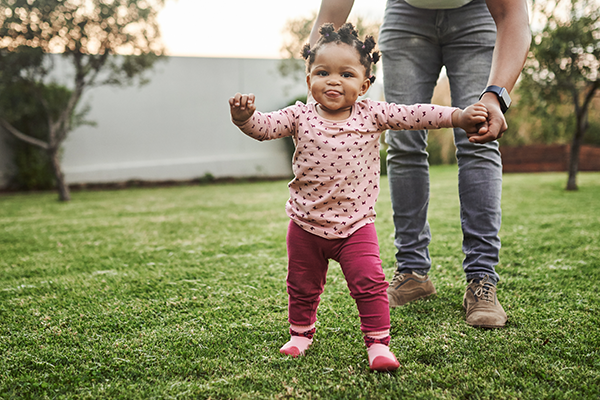
Parents often find themselves navigating uncharted waters during this stage, wondering whether their child is on track or how best to support them. Here’s the secret: every toddler hits milestones at their own pace, but having the right tools and support systems in place can make a world of difference.
Why the Right Tools Matter for Milestone Success
Would you send a kindergartner to school with no backpack or pencils? Of course not. So why approach potty training or learning to ride a bike without tools designed for success?
The toddler years are when children develop not just physically but emotionally and socially. They’re learning to take pride in their achievements, overcome fears, and understand the world around them. By giving them age-appropriate tools that are safe, fun, and functional, you’re setting them up for smoother transitions.
A well-designed toddler toilet seat encourages bathroom independence without fear. A thoughtfully crafted baby balance bike helps build coordination and balance in a way that’s safe and intuitive. In short, these milestone must-haves act as bridges—from baby steps to big-kid confidence.
Let’s explore how you can support your toddler through two of the biggest transitions: potty training and learning to ride.
Conquering Potty Training
Signs Your Toddler Is Ready for Potty Training
Every child is different, and there’s no one-size-fits-all timeline for potty training. But there are definite signs that your toddler might be ready to start:
- They stay dry for at least two hours at a time.
- They show interest in adult bathroom habits.
- They can follow simple directions.
- They communicate when they’ve gone or need to go.
- They express discomfort with dirty diapers.
If you’re nodding along to several of these, congrats—you might be on the cusp of potty-training success! But don’t rush it. Forcing the process before your child is ready can lead to stress and setbacks.
Instead, approach potty training like you would any other skill: patiently, and with the right support.
The Power of Routine and Positive Reinforcement
Consistency is everything when it comes to potty training. Toddlers thrive on routine, and establishing regular bathroom breaks can turn uncertainty into familiarity. For example, you might try sitting your child on the toilet first thing in the morning, after meals, and before bedtime. Over time, this rhythm becomes second nature.
And don’t underestimate the power of praise. Celebrating even small victories—like sitting on the toilet without fear—helps build your child’s confidence. Stickers, high-fives, or a fun potty chart can turn the whole experience into something your toddler actually looks forward to.
That said, accidents will happen. The key is to stay calm and never shame your child. A simple “Oops! Let’s try again next time” goes a long way in keeping the experience positive.
Why a Toddler Toilet Seat Is a Game-Changer
A regular adult-sized toilet can feel like a mountain to a tiny toddler. Enter the toddler toilet seat—an essential milestone tool that bridges the gap between diapers and independence.
A toddler toilet seat is designed to:
- Fit securely on top of a standard toilet
- Provide a smaller, child-friendly seat
- Prevent your toddler from slipping in
- Boost your toddler’s confidence by mimicking grown-up habits
It’s less messy than a stand-alone potty and saves you the extra step of transitioning from a floor potty to the real deal. Plus, it encourages kids to see themselves as “big kids,” which is a huge motivational boost.
Features to Look for in a Toddler Toilet Seat
Not all toddler seats are created equal. Here’s what to consider when choosing the right one:
- Non-slip design: Look for rubber grips or adjustable locks to keep the seat secure.
- Splash guard: A must-have for little boys!
- Easy to clean: Choose a seat with smooth, wipeable surfaces.
- Handles for balance: These give your toddler something to hold onto, adding an extra layer of security.
Gearing Up for First Wheels
When to Introduce a First Bike
Once your child starts walking confidently—usually around 18 months to 2 years—it might be time to start thinking about their first wheels. But instead of jumping straight into pedal bikes with training wheels, many experts now recommend starting with a baby balance bike.
Balance bikes are specifically designed to help toddlers develop the coordination and motor skills they need before learning to pedal. They’re low to the ground, lightweight, and allow your child to focus on balancing without the complication of pedaling.
It’s not about rushing them into riding a bike—it’s about giving them the tools to build confidence and independence while having a blast.
Balance Over Training Wheels: Why Baby Balance Bikes Work Best
When you think of teaching a child to ride a bike, training wheels might be the first thing that comes to mind. But here’s the twist: balance bikes are actually more effective at helping kids learn to ride. Why? Because they focus on balance first—the core skill of cycling—rather than pedaling.
A baby balance bike is a pedal-less bicycle designed specifically for toddlers. Instead of pedaling, children push off the ground with their feet, glide, and use their legs to stabilize themselves. This process builds balance, coordination, and spatial awareness far more efficiently than training wheels ever could.
Let’s break down why balance bikes beat traditional bikes with training wheels:
- Better balance development: Kids learn to balance on two wheels right from the start.
- Smoother transition to pedal bikes: Most kids skip training wheels entirely after mastering a balance bike.
- Enhanced confidence: Children gain independence and self-assurance as they control their movements.
- Lightweight design: Easier for toddlers to maneuver and for parents to carry.
Most toddlers start with short glides, gradually building to longer, faster rides as their balance improves. By the time they’re ready for a regular bike, all they need to add is pedaling—balance is already second nature.
Safety Tips for First-Time Riders
Before your toddler takes off on their new ride, it’s essential to create a safe and encouraging environment. Just like with any new milestone, preparation is key.
Here’s a checklist of safety tips every parent should follow:
- Helmet up!
A properly fitting helmet is non-negotiable. Look for one with adjustable straps and a snug fit. Your child should always wear it, even for short indoor rides. - Check the bike’s fit
Your toddler should be able to place both feet flat on the ground while seated. This gives them control and security. - Pick a safe riding area
Start on flat, smooth surfaces like sidewalks, driveways, or grassy parks. Avoid steep hills, gravel, or busy roads. - Dress appropriately
Closed-toe shoes, comfy clothes, and no loose laces or strings that could get caught in the wheels. - Supervise, but don’t hover
Stay close, but give your child room to explore. Let them lead the experience while you encourage from the sidelines. - Teach braking and steering early
Many balance bikes come with hand brakes—show your toddler how to use them properly. Also, teach basic steering and turning skills.
Riding a balance bike is more than just a fun activity—it’s a gateway to motor skill mastery and self-confidence. And like every milestone, the joy lies in watching your little one conquer it step by step.
Must-Have Features in a Baby Balance Bike
Not all balance bikes are created equal. To ensure your toddler has the best (and safest) experience possible, pay attention to these must-have features when shopping:
- Lightweight frame: Aluminum or plastic frames are ideal—they’re easier for toddlers to lift and parents to carry.
- Adjustable seat and handlebars: Toddlers grow fast! An adjustable setup means the bike can grow with them.
- No-puncture tires: Foam or rubber tires that never go flat are best for toddlers who ride indoors and outdoors.
- Low step-through frame: This design allows toddlers to hop on and off easily, boosting their independence.
- Ergonomic grips: Soft, non-slip handlebars improve comfort and control.
Investing in a well-designed baby balance bike not only enhances safety but also makes the riding experience smoother and more enjoyable for your child.
Bonus Tips for a Smooth Transition
Celebrate the Little Wins
Toddler milestones don’t come with fanfare or finish lines—but they deserve celebration nonetheless. Whether it’s the first time your toddler pees in the potty or glides five feet on a balance bike without help, these small victories are huge in your child’s world.
Here’s how to make those moments count:
- Use praise generously: “You did it!” can light up your toddler’s whole face.
- Create milestone rituals: Sing a special song, do a victory dance, or give a small sticker reward.
- Document progress: Take photos or jot down funny milestone moments in a journal. You’ll treasure these memories—and so will your child when they’re older.
- Avoid pressure: Not every day will be a win, and that’s okay. Celebrate progress, not perfection.
The goal isn’t to rush your child through each stage but to let them savor their growth—with you cheering them on every step of the way.
Establishing Routines to Encourage Growth
Toddlers thrive on predictability. When they know what to expect, they feel safe—and that safety empowers them to try new things. That’s why routines are so powerful in helping toddlers master milestones.
For potty training, this might mean sitting on the toilet every morning after waking up or before bath time. For learning to ride, it could mean a quick spin on the balance bike before dinner each day.
Here’s how to create effective routines:
- Keep it simple: Stick to 2–3 consistent times a day for the activity.
- Make it fun: Add songs, countdowns, or storytelling to the routine.
- Be flexible: If your child is overtired or sick, it’s okay to skip a day.
- Use visual schedules: Toddlers love pictures. A simple chart with images can help them understand what’s coming next.
A predictable rhythm not only builds skills but also reduces power struggles. Your toddler knows when it’s potty time or ride time, so there’s less resistance and more cooperation.
Fostering Confidence and Independence
At the heart of every milestone is the desire to feel capable. Toddlers are hardwired to seek autonomy—“I do it myself!” is practically their motto. Your job? Make it safe and joyful for them to try.
Whether it’s sitting on the potty or strapping on a helmet, give your toddler tasks they can own. Let them:
- Choose their favorite potty sticker
- Carry their bike helmet to the park
- Pick the color of their new toilet seat
- Decide when they want to practice riding
Every decision they make—no matter how small—boosts their sense of ownership and pride. The more involved they are in the process, the more motivated they’ll be to succeed.
Remember: independence doesn’t mean they do it all alone. It means they feel in control of their journey—with your love and guidance nearby.
Conclusion
Making the Most of Milestone Moments
Toddlerhood is nothing short of a wild ride—full of giggles, growth spurts, tantrums, and triumphs. From waving goodbye to diapers to cruising around on their very first set of wheels, these years are packed with unforgettable firsts that shape your child’s confidence and character.
But here’s the secret sauce to making these transitions smoother: it’s not just about waiting for the “right time.” It’s about equipping your toddler with the right tools and showing up with consistent support, encouragement, and love.
A toddler toilet seat takes the fear out of potty training by making them feel secure and independent. A baby balance bike teaches more than just riding—it builds physical coordination and emotional resilience. And when you combine these tools with patience, routines, and heaps of positive reinforcement, you create a foundation for lifelong learning and confidence.
You’re not just guiding your toddler through milestones. You’re helping them grow into someone who feels ready to take on the world—one step, one flush, and one glide at a time.
So celebrate the wobbles. Cheer for the little victories. And trust that with the right support, your toddler will reach every milestone with pride.
FAQs
1. When should I start potty training my toddler?
Most toddlers are ready to begin potty training between 18 to 30 months, but it varies for each child. Look for signs like staying dry for extended periods, showing interest in the toilet, or communicating when they’ve gone. Start when your child shows both physical readiness and emotional interest—not just based on age.
2. What is the difference between a toddler toilet seat and a potty chair?
A toddler toilet seat fits directly on top of a regular toilet, helping kids transition to the “big potty” right away. A potty chair is a separate, portable unit that sits on the floor. While potty chairs offer mobility, toilet seats help kids skip the extra step of transitioning to the full toilet later.
3. At what age can a toddler ride a balance bike?
Most toddlers can start using a balance bike around 18 months to 2 years old—as soon as they can walk steadily. The adjustable height and lightweight design make it easy for little ones to use safely and comfortably as they develop balance and coordination.
4. How do I help my toddler overcome fear of trying new things?
Start by validating their feelings—fear is natural. Then, break tasks into small, manageable steps and offer plenty of encouragement. Use role-play, model the activity yourself, and let your child explore at their own pace. The goal is to build trust and confidence, not push too hard too fast.
5. Are there signs my toddler is ready for a balance bike?
Yes! If your toddler can walk steadily, climb stairs without help, and shows interest in active play, they may be ready for a balance bike. Bonus signs include curiosity about bikes or copying older siblings. Start with short sessions and watch their confidence grow day by day.


