Healthcare, as we know it, is changing forever. In recent years, technology has transformed how patient care is being delivered. What once seemed futuristic is now a standard option for many people seeking medical advice, treatment, and follow-up care.
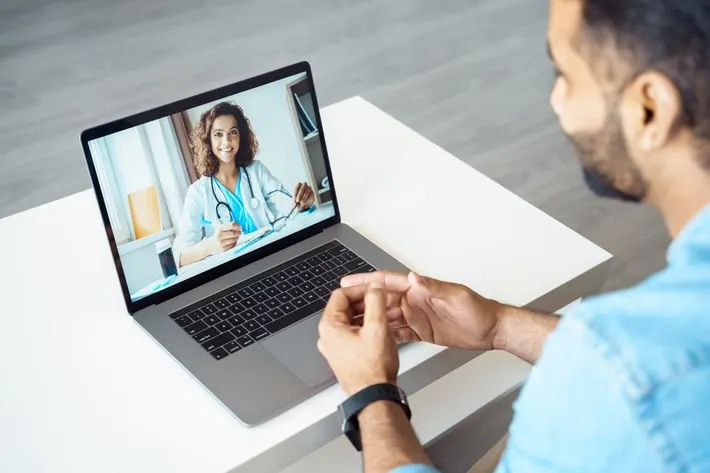
We’re talking about virtual patient consultations (also known as telehealth or telemedicine). With timely care available at the fingertips, it’s easy to understand why they’re becoming increasingly popular. But that’s not all. There are several reasons behind this choice.
If this approach is new to you, this blog is for you. We’ll talk about the benefits of virtual consultations and why they’re here to stay.
How Virtual Consultations Are Helping Patients
Patients can now connect with healthcare professionals through video calls, phone calls, or secure online platforms, without having to go to a clinic physically. But virtual consultations go beyond convenience.
Here’s a list of reasons why patients prefer telehealth now more than ever.
1. Convenience
One of the biggest advantages of telehealth is the unmatched convenience it brings to the table. Patients don’t have to go to a clinic, wait in crowded lobbies, or take time off from work or school. Instead, they can effortlessly connect with a doctor from any location.
And that’s a big plus point for those with limited mobility, chronic illnesses, or transportation challenges. Since patients simply need an internet connection and a device to talk to a doctor, healthcare is now accessible to everyone.
Of course, the important thing is to ensure you connect with an experienced healthcare professional – like a virtual consultation by Dr Ayanna Artis is a smart move as it will give you access to professional advice at the convenience of your home.
2. Reduced Waiting Times
In-person appointments usually mean long waiting times at a clinic. But with virtual consultations, the entire process gets streamlined and expedited, from scheduling an appointment to doctor consultations. So instead of waiting days or weeks, patients can get medical advice and treatment fairly quickly. And that can be especially convenient for acute, non-emergency conditions like flu symptoms, skin rashes, urinary tract infections, etc.
3. Better Management of Chronic Conditions
Patients with long-term conditions, such as asthma, high blood pressure, diabetes, or heart disease, need regular follow-ups. Virtual consultations make these check-ins easier and more consistent.
Patients can discuss any new issues, share health data (like blood pressure or glucose readings from home devices), and receive medication adjustments without the hassle of frequent clinic visits. This makes it easier for people to stick to prescribed treatment plans.
4. Cost Savings
Healthcare expenses can add up pretty quickly, especially when factoring in transportation, time off work, and childcare for in-person visits. Virtual consultations help reduce these indirect costs.
While the price of a telehealth consultation varies, many insurance providers now cover them at rates comparable to or lower than in-person visits. For patients, that means savings on out-of-pocket expenses.
5. Better Comfort and Privacy
Sometimes, discussing sensitive health issues can get uncomfortable in a traditional clinical setting. But being in a familiar space, like a home, reduces anxiety and encourages patients to be more open about their symptoms.
With the rise in telehealth services, patients find consultations more private and relaxed, helping to make the overall experience less intimidating. This is especially beneficial for patients seeking counseling or treatment for conditions that carry stigma.
6. Effective for Preventive Care
Preventive care is one of the best ways for people to maintain long-term health, but many skip these routine check-ups because of busy schedules. Virtual consultations help overcome such issues, making preventive care more accessible.
Through virtual visits, doctors can provide lifestyle counseling, recommend screenings, monitor early warning signs, and encourage patients to adopt healthier habits. This proactive approach enables them to detect potential issues early on that could lead to serious complications down the line.
7. Improved Continuity of Care
In many conditions, healthcare needs to be continuous in order for a treatment to be effective. Virtual consultations allow patients to maintain consistent communication with their healthcare providers.
So, even if a patient moves to another state, travels frequently for work, or faces scheduling conflicts, virtual consultations offer the flexibility they need to stay in touch with their primary physician. This seamless connection ensures medical histories are not lost, treatments stay on track, and patient-doctor relationships remain strong.
8. Reduced Risk of Infection
If anything, the COVID-19 pandemic has taught us the importance of minimizing unnecessary exposure to contagious diseases. Yep, that’s right – telehealth allows people to stay clear of crowded waiting rooms and healthcare facilities. And that’s often necessary for patients with compromised immunity who are more susceptible to infection, such as cancer patients, young children, and the elderly.
9. Readily Available Mental Health Support
The demand for mental health services has surged in recent years. Online therapy sessions and counseling allow patients dealing with depression, anxiety, or other mental health issues to access care privately and conveniently. This can be life-changing as it removes logistical barriers and makes it easier for patients to commit to regular sessions.
10. Improved Support for Caregivers
It’s not only the patients who benefit from virtual consultations. Caregivers who provide long-term care to the elderly, disabled, or chronically ill can easily join the consultation remotely, allowing them to stay involved in care discussions without having to be physically present. This collaborative approach enhances communication, improves support for the patient, and helps caregivers manage their responsibilities more effectively.
Over to You
Virtual consultations have transformed how the healthcare system works. It’s offering patients convenience, accessibility, flexibility, cost savings, and improved continuity of care, among others. From chronic disease management to mental health support, this approach has proven to be effective, efficient, and patient-centered.
While virtual consultations cannot replace in-person visits entirely, they are complementing traditional healthcare in powerful ways. And as technology continues to evolve, virtual consultations are likely to become even more advanced, incorporating tools like remote monitoring devices, AI-driven health insights, and integrated digital records. For patients, this means more personalized, efficient, and proactive care. So, as part of the healthcare revolution, virtual consultations are making quality medical care more affordable and accessible than ever before.


