Home is often considered a safe haven, but accidents can occur even in familiar surroundings. Slippery floors, loose rugs, cluttered hallways, and uneven surfaces are common culprits behind falls. Parents and caregivers may assume small hazards are harmless, but even minor trips can lead to serious injuries, especially for children and older adults. Recognizing these risks helps households create safer living spaces and encourages a proactive approach to injury prevention.
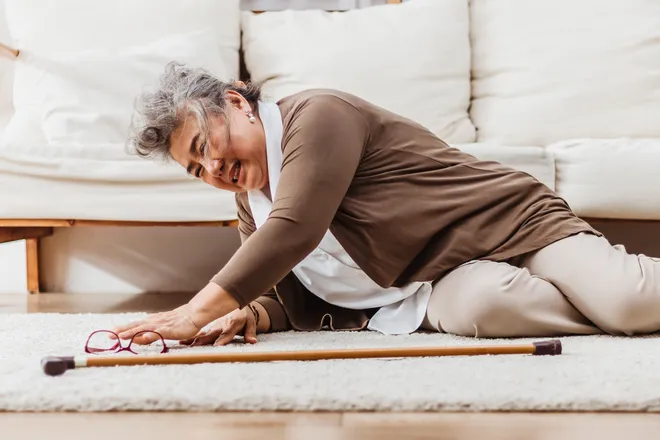
In addition to physical hazards, distractions in the home contribute to accidents. Rushing to answer a phone call, attending to children, or carrying items without a clear path can all lead to slips and falls. Technology can assist, such as smart lighting that illuminates dark areas or sensors that alert homeowners when movement is detected in risky zones. Combining awareness, vigilance, and technology creates an environment where accidents are less likely to occur.
Families often underestimate how quickly hazards can accumulate. A small spill left unattended, a loose stair rail, or a cluttered entryway can transform a normal day into an emergency. Creating routines for regular inspections, cleaning, and hazard removal prevents these risks from growing. Involving children in safety practices teaches them awareness early and ensures everyone contributes to maintaining a safer home.
The Consequences of Slips and Falls
According to Donaldson & Weston, slip and fall incidents often result in more than superficial injuries. Bruises, sprains, broken bones, and concussions are all common outcomes, with recovery times that can disrupt family routines. Children may need additional care, and adults may require time off work, adding stress and logistical challenges for the entire household. Even minor injuries can cascade into larger inconveniences when combined with other responsibilities.
These incidents also expose weaknesses in household safety practices. Cluttered spaces, poor lighting, and neglected maintenance contribute to recurring accidents. Awareness of these factors encourages families to establish safer habits. Small changes like securing rugs, repairing uneven flooring, and keeping walkways clear can dramatically reduce the likelihood of falls and create a more secure home environment.
The emotional consequences of a fall should not be overlooked. Witnessing a loved one get hurt can be distressing for everyone in the household. Children may become anxious or fearful, while adults may feel guilt or frustration. Addressing these emotions alongside physical injuries helps families recover more fully and maintain a sense of stability and trust in the home environment.
How Personal Injury Affects the Family
When a household member experiences a fall, the effects extend beyond the injured individual. Emotional stress can ripple through the family as members worry about recovery, mobility, and ongoing care. Children may feel scared or anxious, and parents often experience guilt or frustration, wondering if the incident could have been prevented. These emotional consequences are as important to address as the physical injuries themselves.
As mentioned by Mann Blake & Jackson, financial strain can also accompany personal injury. Medical bills, therapy sessions, and potential home modifications add up quickly. Even with insurance, families face deductibles and coverage limits that may affect their budgets. Managing these challenges requires planning and communication, and fostering a supportive environment helps households cope more effectively while maintaining daily routines and responsibilities.
Recovery also affects routines and schedules in subtle ways. Meals may need to be prepared differently, playtime may be limited, and chores may have to be shared or postponed. Families that plan ahead for these adjustments reduce stress and ensure the household continues to function smoothly. Creating a flexible environment allows everyone to adapt to the temporary changes that follow a personal injury, while reinforcing cooperation and mutual support.
Preventing Accidents Through Awareness
Prevention begins with awareness of common hazards. Keeping floors dry, securing rugs, and removing obstacles in high-traffic areas are simple yet effective measures. Supervising children closely and establishing household rules about running indoors or carrying heavy objects reduces risk. Families who actively assess and maintain their home environments create safer spaces for everyone.
Technology can complement these efforts. Smart sensors, motion-activated lighting, and monitoring devices help alert families to potential dangers before they result in injury. These tools do not replace vigilance but serve as an additional layer of protection. Combining practical safety measures with technological support helps families prevent accidents and manage risks proactively.
Education and communication also play a vital role in prevention. Teaching children how to safely move around the house, explaining the reasons behind certain rules, and modeling cautious behavior strengthens awareness. When all household members understand the importance of these precautions, the home becomes a shared space of safety rather than relying solely on parental supervision or technology.
Responding Effectively When Accidents Happen
Even with precautions, accidents can still occur. Knowing how to respond reduces further harm and ensures quicker recovery. Immediate first aid, such as applying ice to bruises or immobilizing injured limbs, can prevent complications. For serious injuries, seeking medical attention promptly is crucial. Families should also keep emergency contacts and medical information accessible to facilitate swift care.
Communication within the household is equally important. Explaining what happened to children, maintaining calm, and delegating tasks helps everyone adjust. Recovery often involves temporary adjustments to routines, and clear communication ensures that household responsibilities continue smoothly. By combining preparedness, communication, and timely response, families can mitigate the effects of personal injury and maintain stability during challenging times.
Documenting incidents and reflecting on their causes can also improve future safety. Noting what led to a fall, how family members reacted, and which precautions were effective allows households to refine safety measures. This process turns an unfortunate event into a learning opportunity, helping families prevent similar incidents in the future while building resilience and confidence.
Building a Safer Home Environment
Creating a safe home requires ongoing attention and commitment. Regular inspections to identify hazards, consistent use of safety devices, and maintaining a clutter-free environment help reduce risks. Families can also involve children in safety routines, teaching them awareness and caution from an early age. These habits contribute to a long-term culture of safety that benefits every household member.
Developing a comprehensive approach includes integrating technology with practical habits. Motion-sensing lights, floor alerts, and monitoring systems provide valuable support, while regular upkeep and vigilance ensure these tools are effective. Families who combine awareness, technology, and consistent safety practices create a home environment where accidents are less frequent, recovery is more manageable, and the well-being of every member is prioritized.
Long-term safety also relies on fostering a mindset of attentiveness and care. Encouraging everyone to speak up about hazards, creating simple routines for cleaning and maintenance, and celebrating safe behavior helps embed these practices into daily life. By emphasizing proactive habits and shared responsibility, families create a resilient home environment that prevents accidents and promotes confidence and peace of mind for every member.


