Acne is often thought of as a teenage problem, but many adults continue to struggle with breakouts well into their 20s, 30s, and even beyond. Adult acne can be just as frustrating as adolescent acne, and in some cases, even more challenging to manage. The causes are often different from those of teenage acne, and so are the treatment approaches.
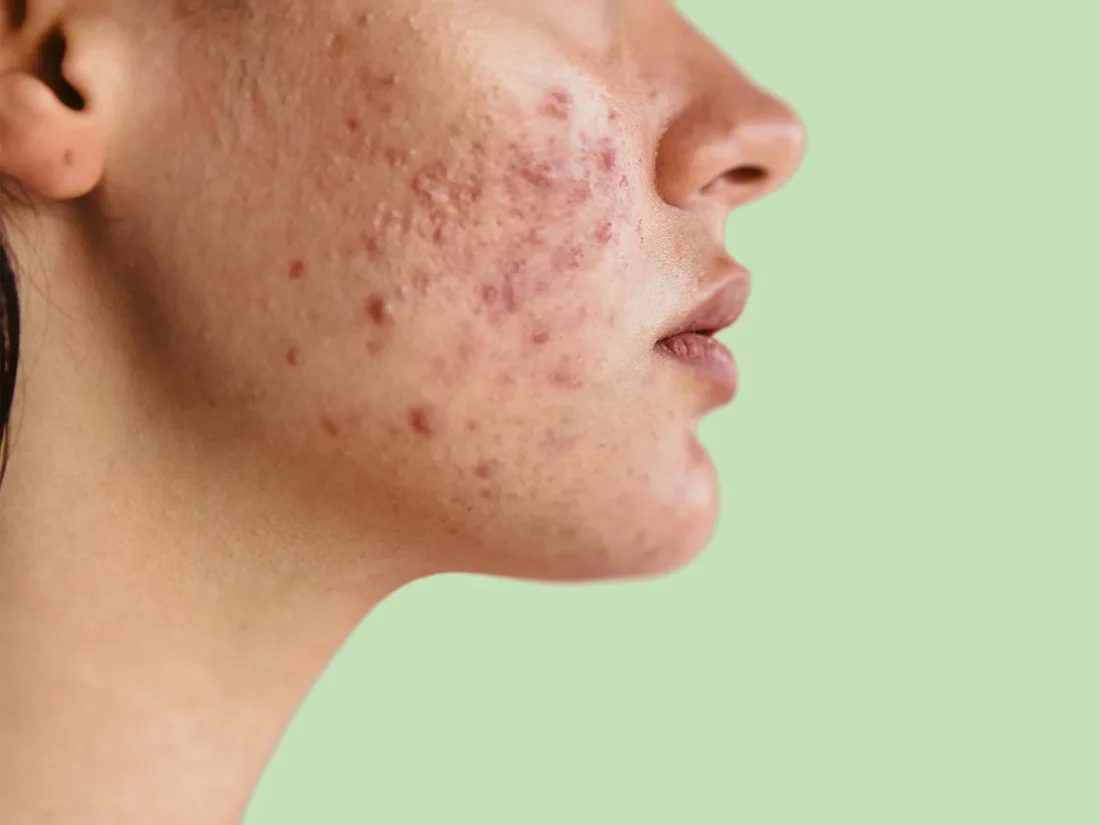
Adult acne can affect both men and women, appearing most commonly on the lower face, jawline, and neck. It can range from small comedones to painful cystic bumps that linger for weeks. For those dealing with these persistent blemishes, the right diagnosis and targeted treatment plan are essential. Fortunately, advances in dermatology and aesthetic care now make it possible to effectively manage and prevent breakouts at any age.
Understanding the Causes of Adult Acne
Adult acne can be triggered by a combination of internal and external factors. Hormones, stress, and lifestyle play major roles in how acne develops. Unlike teenage acne, which is primarily due to puberty-related hormone surges, adult acne treatment Singapore often arises from more complex hormonal fluctuations and environmental influences.
When seeking professional adult acne treatment Singapore clinics provide, dermatologists will first identify the main cause behind your breakouts. Common triggers include:
- Hormonal fluctuations: Hormone changes related to menstruation, pregnancy, or menopause can stimulate oil glands and clog pores.
- Stress: Increased cortisol levels during stress can lead to higher oil production, inflammation, and acne formation.
- Skincare products: Using comedogenic or overly harsh products can irritate the skin and worsen acne.
- Diet: Diets high in refined sugars and dairy have been linked to increased breakouts.
- Environmental factors: Pollution and humidity can lead to clogged pores and inflammation.
- Genetics: A family history of adult acne can make one more prone to developing it.
Understanding these underlying causes allows dermatologists to design customized treatment plans that address both current acne and future prevention.
Why Adults Experience Acne Differently
Adult acne tends to appear in different areas and behave differently than teenage acne. It often affects the lower face, especially along the jawline and chin, where hormonal influence is strongest. Unlike teenage acne, which may resolve with age, adult acne often recurs and can be more resistant to standard treatments.
Adult skin also tends to be more sensitive and slower to heal. This means aggressive treatments may cause dryness or irritation, making it even more important to choose the right approach under professional supervision.
Another difference lies in the emotional impact. Many adults feel frustrated or self-conscious about acne since it is often perceived as a problem that should have been outgrown. That emotional toll makes professional treatment not just a cosmetic decision but also one that improves overall well-being.
Effective Professional Treatments for Adult Acne
Modern aesthetic medicine offers several safe and effective options to control adult acne and improve skin clarity. A dermatologist or aesthetic specialist can recommend treatments that target inflammation, regulate oil production, and encourage skin renewal.
Laser and Light-Based Therapy
Laser and light-based treatments are effective for reducing acne and preventing future breakouts. These therapies target the bacteria responsible for acne while minimizing excess oil production. Blue light therapy helps kill acne-causing bacteria, while red light therapy reduces inflammation and promotes healing.
Fractional laser treatments can also be used to treat post-acne scars and pigmentation, offering smoother, clearer skin over time.
Chemical Peels
Chemical peels involve applying a controlled acid solution to the skin to exfoliate dead cells, unclog pores, and encourage cell turnover. Peels containing salicylic acid, glycolic acid, or lactic acid are commonly used for acne-prone skin.
These treatments not only reduce breakouts but also improve overall skin texture and tone. Regular peels can help minimize dark spots and smooth acne scars for a more even complexion.
Medical-Grade Skincare and Prescription Medications
Dermatologists often recommend topical creams or gels containing retinoids, benzoyl peroxide, or antibiotics to treat active acne. These products work by reducing bacteria, controlling oil, and promoting healthy cell turnover.
For moderate to severe cases, oral medications may be prescribed. Hormonal therapy such as spironolactone or oral contraceptives can help regulate hormones in women, while antibiotics and isotretinoin may be used for more severe forms of acne.
Microneedling and Radiofrequency
Microneedling uses tiny needles to stimulate collagen production and improve skin texture. It is effective not only for reducing acne scars but also for refining pores and improving overall tone.
Radiofrequency energy can be combined with microneedling to enhance collagen remodeling and improve long-term skin health. These treatments are gentle yet powerful options for patients seeking smoother and healthier-looking skin.
LED Therapy
LED therapy is a non-invasive treatment that uses light energy to target acne-causing bacteria and inflammation. It is suitable for sensitive skin and can be used as a maintenance treatment to prevent flare-ups. Regular sessions promote a calmer, clearer complexion.
Lifestyle Adjustments for Clearer Skin
Treating adult acne effectively also involves adopting healthy daily habits. Dermatologists often recommend small yet impactful changes to support treatment results and maintain healthy skin.
Proper Skincare Routine
Use a gentle cleanser that removes impurities without stripping the skin’s natural moisture. Follow with non-comedogenic moisturizers and sunscreen daily. Avoid harsh scrubs and alcohol-based toners that can worsen irritation.
Balanced Diet
Foods rich in antioxidants, omega-3 fatty acids, and vitamins A and E can help promote skin health. Limiting sugar, dairy, and processed foods may also help reduce breakouts.
Stress Management
Practicing relaxation techniques like meditation, yoga, or regular exercise can help regulate hormones and prevent stress-related breakouts.
Adequate Sleep and Hydration
Lack of sleep and dehydration can increase inflammation and disrupt skin balance. Aim for seven to eight hours of sleep each night and drink plenty of water throughout the day.
These simple habits complement medical treatments, creating a holistic approach to managing adult acne effectively.
Restoring Confidence Through Clear Skin
Dealing with adult acne can be emotionally and physically exhausting, but modern dermatological treatments make it possible to regain control over your skin’s health. The right combination of professional care and at-home maintenance can restore clarity, smoothness, and confidence.
Seeking professional adult acne treatment Singapore clinics offer ensures that your skin receives the right care and attention. By targeting the root causes of acne and promoting long-term balance, dermatologists help patients not only achieve clearer skin but also regain a sense of confidence and self-assurance.
Clear skin is more than a cosmetic goal, it is a reflection of balance, health, and confidence. With today’s advanced aesthetic treatments, achieving that healthy, glowing complexion is within reach for adults of all ages.
Commonly Asked Questions
What causes acne in adults even after puberty?
Hormonal fluctuations, stress, genetics, and lifestyle factors can trigger acne in adults. These imbalances stimulate excess oil production and inflammation, leading to breakouts.
Are adult acne treatments safe for sensitive skin?
Yes. Dermatologists customize treatments based on your skin type and sensitivity level to ensure safe and effective results without irritation.
How long does it take to see results from adult acne treatments?
Visible improvement usually occurs after a few weeks, but full results depend on the type of treatment and consistency with follow-up care.
Can adult acne be permanently cured?
While acne cannot always be permanently cured, it can be effectively managed. With consistent professional care and maintenance, long-term control is achievable.
Do acne treatments also help with scars and pigmentation?
Yes. Many treatments like laser therapy, chemical peels, and microneedling address both active acne and residual scars, leading to clearer and smoother skin over time.
Next Steps
If you are struggling with persistent adult acne or post-acne scars, professional help can make all the difference. Consult a dermatologist or aesthetic specialist to explore the most suitable adult acne treatment Singapore clinics offer. With customized care and modern technology, you can achieve clearer, healthier, and more radiant skin that boosts both your appearance and confidence.


